
Oct 20, 2026
Read in: English (United Kingdom)
Finding UK retailers with high return risk via checkout tech
UK retail return rates reach 17.5 percent, creating significant margin pressure for online merchants. Sales teams identify high-risk companies by auditing checkout friction, manual refund processes, and missing return portal software. These public web signals allow vendors to offer automated logistics solutions to struggling businesses before peak trading seasons begin.

UK sellers face major profit leaks when high parcel returns overwhelm warehouse operations. You can spot these vulnerable businesses immediately by checking visible friction points during the customer buying journey. Front-end code, hidden refund conditions, and absent returns software expose internal logistics strain long before annual trading peaks begin. This operational intelligence allows sales teams to offer software solutions exactly when retail merchants need urgent support.
Identifying Checkout Friction in Modern Retail
Retail brands reveal their backend logistics strain directly inside the digital purchase flow. A messy checkout funnel with manual returns instructions shows that a business lacks automated reverse logistics software. Online merchants struggle to maintain customer loyalty when shoppers face hidden fees or confusing rules during final payment stages, which creates high cart abandonment. Sales teams inspect customer journey points, such as return drop-down menus or static policy links, to assess whether the seller manages warehouse intake efficiently or faces operational backlogs.
Web signals provide clear evidence of these checkout bottlenecks across British storefronts. Missing parcel collection integrations or manual label download prompts signal that a brand handles customer refunds through slow, manual email tickets. Retailers that delay these technical upgrades experience severe margin loss because processing physical stock takes weeks rather than days. Sales teams detect these technical gaps early by evaluating front-end checkout scripts, helping them pitch automated software before peak trading pressures overwhelm warehouse staff.
The Logistics Burden on UK Sellers
British merchants spend roughly £60 billion annually on customer returns across digital channels.[2] Online returns cost twice as much as physical store intake because transport networks charge high handling fees. Retail brands lose substantial operating margin when backlogs trap inventory inside transit hubs, delaying seasonal cash flow recovery.
Front-end shopping pages offer direct visual proof of operational distress. When companies post rigid return rules or remove self-service portals, customer service teams face massive message spikes. These clear front-end indicators show that backroom staff cannot process restocking quickly enough to meet growing consumer demands.
Warehouse teams cannot restock goods quickly without automated software connections. Returns fraud also drains £1.3 billion from UK sellers each year because manual checking misses false claims.[1] Sales professionals identify these distressed operations by scanning public payment gateways and tracking script configurations.
Return Fee Adoption Across Fashion Brands
Shifting return-policy models reflect mounting financial pressure across British digital stores. Many fashion sellers now charge customer processing fees to offset soaring warehouse handling and freight expenses. Merchants use these restocking charges to curb excessive basket ordering while protecting overall margins.
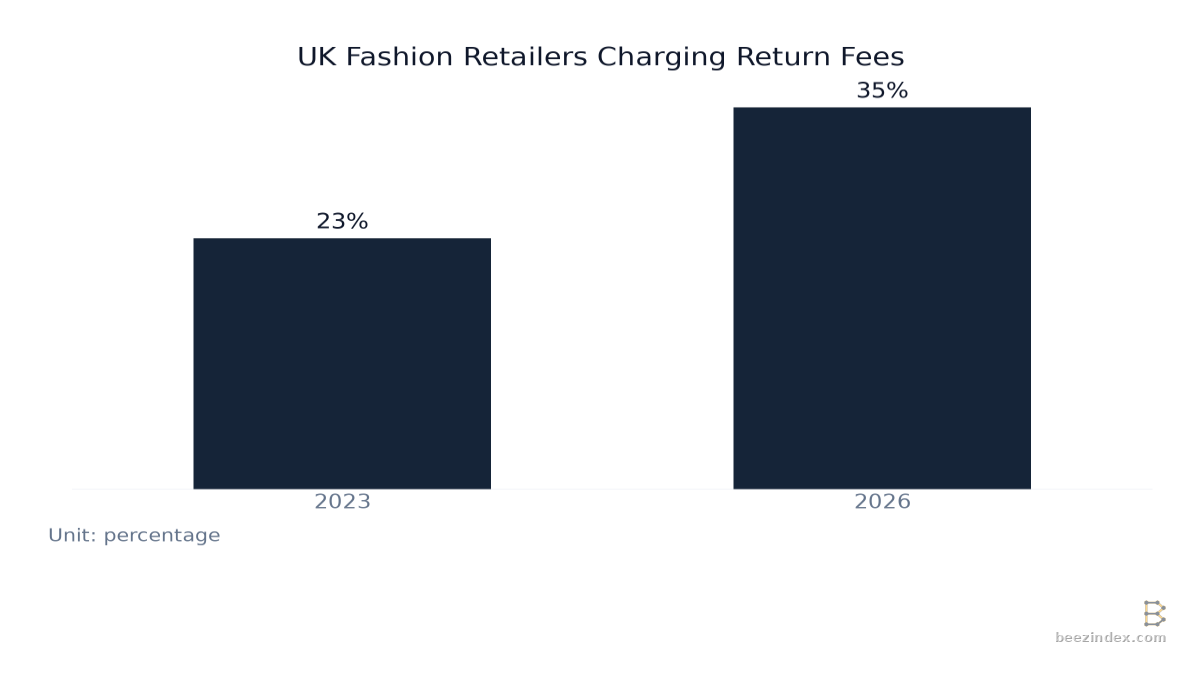
Market research reveals a fast transition toward paid customer returns. Industry figures show that 35% of the UK’s top 100 fashion retailers charge for returns as of 2026, up from 23% in 2023.[3] High transport costs force apparel brands to abandon free parcel collections, but sudden policy updates can anger loyal consumers.
Fashion brands risk lower basket values when they introduce return deductions without transparent communication. Retailers must fix sales funnel issues before seasonal marketing campaigns launch across major channels. Sourcing teams look for platforms that automate exchange credits, keeping cash within the business while lowering administrative processing friction.
UK Fashion Retailers Charging Return Fees
Return Policy Impact on British Shoppers
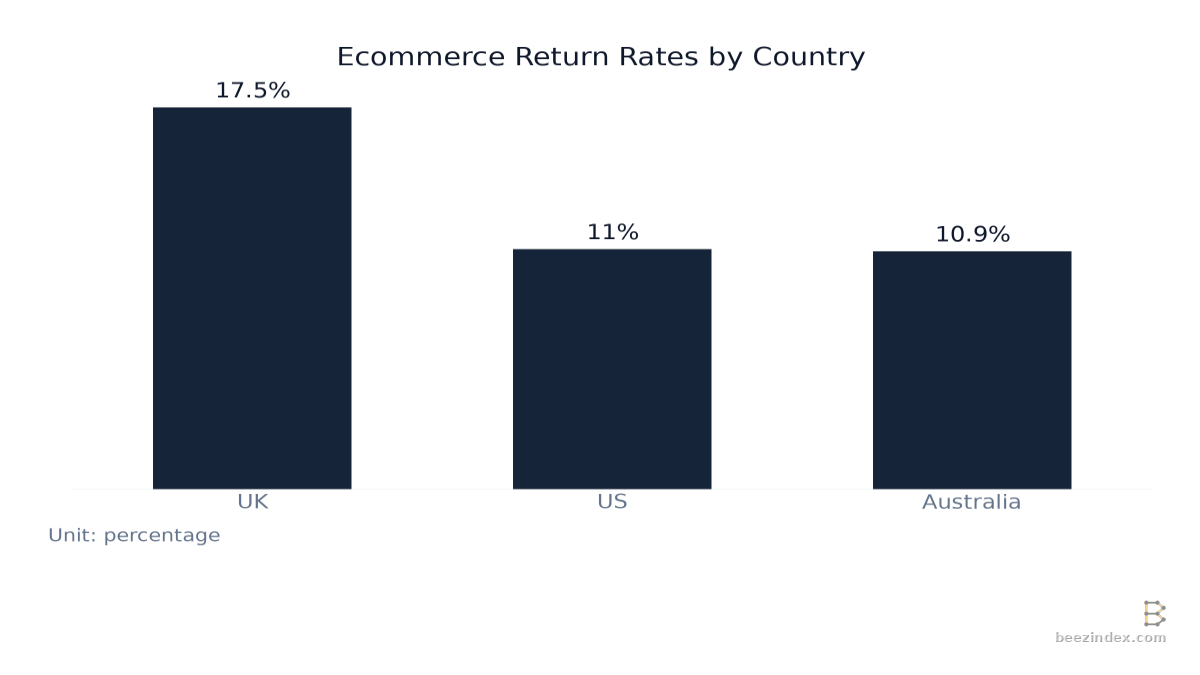
UK ecommerce return rates sit at 17.5%, creating major inventory management problems.[1] This volume far outpaces international counterparts, meaning British retailers carry exceptional reverse supply chain risk. In contrast, international datasets show that UK ecommerce return rates are significantly higher than the US and Australia. Local brands face severe profit erosion if their site policies push consumers away during purchase decisions.
Transparent return policies build long-term consumer trust during checkout steps. Over 90% of buyers say that an easy return experience drives repeated purchases, while hidden deduction fees harm customer retention. Retailers that display clear refund windows, exchange pathways, and drop-off options protect brand loyalty without sacrificing operational efficiency. Sales teams target merchants with vague checkout policies because those brands need return-management software to retain valuable shoppers.
Ecommerce Return Rates by Country
Fee Structures and Checkout Conversion Rates
Clear pricing transparency during final payment steps directly protects store conversion rates. British retailers introduce dedicated return fees to offset parcel transport costs, yet hidden deductions at checkout surprise buyers. Typical return fees charged by large UK retailers range from £2.50 to £2.95.[1] When merchants fail to communicate these handling charges early in the customer journey, shoppers abandon full baskets and buy from competing platforms instead.
Online stores require digital tools for retailers to clarify return policies before shoppers enter payment credentials. Clear messaging regarding restocking costs, return windows, and drop-off locations prevents costly customer service disputes. British businesses must balance delivery fee recovery with user experience, because rigid terms reduce repeat sales. Technology vendors target brands with clunky fee notifications to help them modernize refund rules and improve transaction rates.
Typical Large Retailer Return Fees

Tracking Logistics Pain via Public Indicators
Observable web intelligence allows sales specialists to detect commercial strain across thousands of British shopping platforms. Outbound teams identify high-risk sellers by auditing public checkout integrations, shipping partner widgets, and returns portal technologies. BeezIndex provides verified company-to-website intelligence that helps teams pinpoint merchants operating with outdated logistics setups. Identifying businesses with high confidence allows sales managers to craft precise, timely pitches before peak trading seasons begin.
Sellers often display evidence and freshness indicators through frequent policy revisions or changing customer service widgets. Monitoring these front-end adjustments reveals when a retailer faces rising package return volumes and surging support costs. Commercial databases connect public storefront signals to company financial metrics, keeping outbound prospecting efficient and focused. Sales representatives use these factual web indicators to demonstrate how modern returns platforms eliminate manual handling costs.
Building Reliable Pipelines With Web Signals
Modern revenue teams use public web-signals to maintain an accurate outbound sales pipeline. Technographic monitoring identifies whether an online merchant runs modern returns software or relies on manual email forms. Sales reps pinpoint british ecommerce brands that struggle with inventory processing backlogs by checking front-end code and policy changes. Reaching out with relevant solutions right before peak trading yields far higher response rates than broad cold outreach.
Automated website tracking shows when expanding online businesses outgrow their basic infrastructure. Rapid catalog expansion without automated parcel routing creates operational bottlenecks that damage delivery schedules and profitability. High-performing outbound teams filter companies by platform type, domestic traffic, and installed checkout apps to identify urgent technical needs. Detailed platform auditing ensures sales reps initiate meaningful commercial conversations that solve immediate logistics challenges.
What to Remember
British online retail carries an average return rate of 17.5%, leaving unprepared sellers exposed to severe margin loss.[1] Commercial teams must analyze public checkout features, return-policy adjustments, and portal integrations to identify brands struggling with physical inventory intake. Evaluating these public technical indicators reveals operational strain across warehouses, creating timely opportunities to introduce automated software solutions that prevent ongoing financial losses.
Sales professionals audit prospect websites for manual refund notices and absent portal software ahead of seasonal spikes. Auditing technical stack data provides high-confidence outbound leads without relying on outdated static directories. Sales teams monitor live storefront signals today to build an actionable pipeline of British merchants that require modern logistics infrastructure for sustained growth.
Frequently Asked Questions
What checkout signals reveal high return risk in UK retail?
Stores lacking automated return portal scripts often handle returns through manual customer support emails. The presence of newly added return fee clauses during checkout indicates that the merchant struggles with reverse logistics expenses. Missing parcel drop-off integrations also signals that the business lacks automated warehouse routing tools.
How much do UK online stores typically charge for parcel returns?
Standard return fees across major UK retail sites range between £2.50 and £2.95 per return parcel.[1] Brands deduct this fee directly from the shopper's final refund total to offset domestic freight costs. Luxury merchants and high-volume fashion retailers adopt these fees to discourage excessive bracketing habits.
What is the average online return rate for UK ecommerce sites?
UK ecommerce sites experience an average return rate of 17.5% across all general retail categories.[1] Fashion apparel brands face much higher return volumes, with return rates frequently ranging between 25% and 40%. These figures remain significantly higher than physical store return rates, which average around 9% globally.
Which UK consumer laws govern digital returns and refund timelines?
The Consumer Contracts Regulations 2013 give online consumers a mandatory 14-day cancellation window following goods delivery. Shoppers then receive an additional 14 days to post the items back to the retail business. Retailers must process customer refunds within 14 days of receiving the returned parcel.
How do sales teams use website technographic data for B2B prospecting?
Sales reps scan public page scripts to identify ecommerce platforms, active checkout apps, and marketing tools. Comparing installed technology against firmographic attributes reveals businesses operating with inefficient or missing software stacks. This approach lets software vendors target companies showing immediate, observable operational needs.
Start a free search on BeezIndex to discover UK ecommerce brands, evaluate checkout technologies, and build high-converting sales pipelines today.
Spot High Return Risk Retailers Now