
Oct 15, 2026
What UK Retailers Add to Tech Stack Before Black Friday
British retailers finalize their Black Friday tech stack updates by mid-October to avoid site stability risks. Web intelligence shows that merchants prioritize checkout, payment, and messaging integrations before annual code freezes. Sales teams improve outreach results by targeting these retailers during their active planning windows rather than during peak traffic.

British online sellers overhaul store code weeks before November to protect margins and conversion rates. Sales teams spend roughly 9% of their week researching prospects, yet most reps pitch software after merchant code freezes lock out changes. Observable web intelligence reveals the exact moment brands install new apps or switch core platforms.
Platform Distribution Across British Online Stores
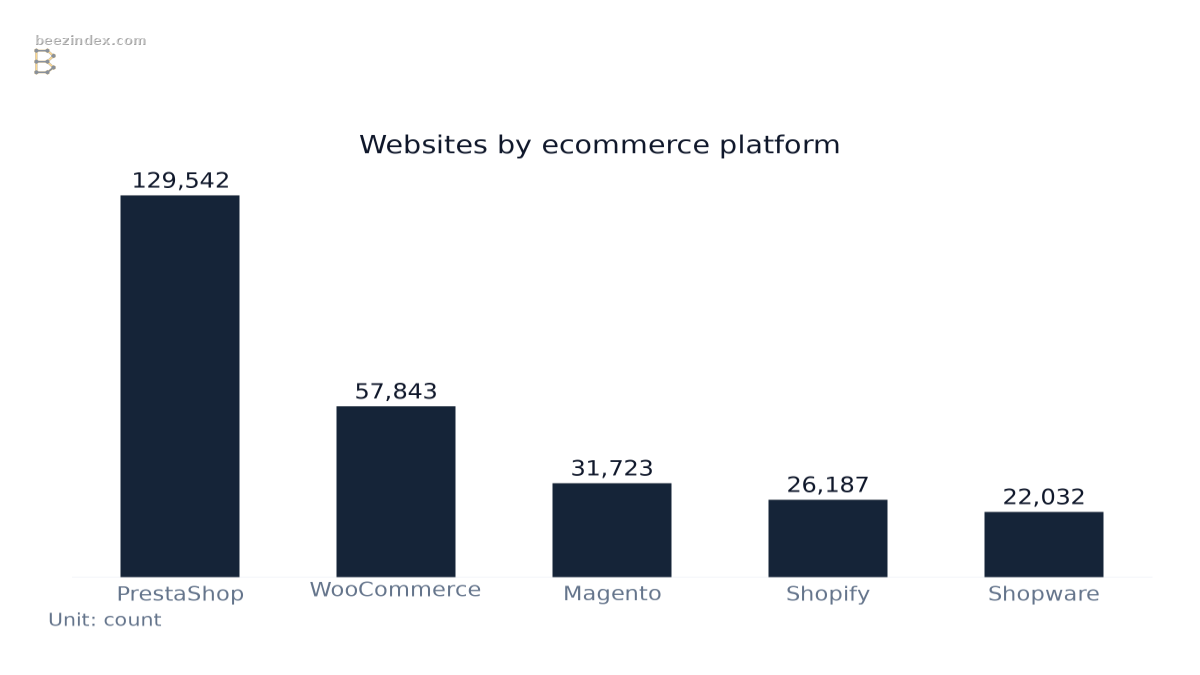
Store owners select infrastructure based on trading volume, operational complexity, and required engineering control before peak shopping periods. Many B2B teams fail to target UK businesses effectively because they pitch complex tools to stores locked into closed software environments. The verified values are PrestaShop: 129542; WooCommerce: 57843; Magento: 31723; Shopify: 26187; Shopware: 22032. Retailers running self-hosted platforms must patch vulnerabilities manually before peak traffic spikes overwhelm checkout databases.
Merchants on hosted systems leave infrastructure scaling to their providers, which removes manual server maintenance during high-demand promotional weeks. These technical foundations determine whether a retailer can deploy new checkout extensions or dynamic marketing tools before peak trading begins. Teams using verified company-to-website intelligence track these platform choices to identify merchants preparing for large volume increases across digital storefronts.
Websites by ecommerce platform
Early Peak Season Tech Adoption Trends
Online brands adjust operational systems weeks before peak sales events start. Retailers alter checkout scripts and messaging channels early because late modifications increase transaction failure rates during high traffic days. Commercial teams use BeezIndex to review meaningful changes across live domains, tracking Black Friday tech stack adjustments without waiting for self-reported survey results while planning upcoming outreach campaigns.
Engineering teams enact strict code freezes by mid-October to protect checkout reliability. Companies reject new third-party software pitches during November because operational stability overrides feature experimentation. Outreach teams that identify early configuration changes secure commercial partnerships before these annual lockdown windows close completely.
Growing Scale of British Online Retail
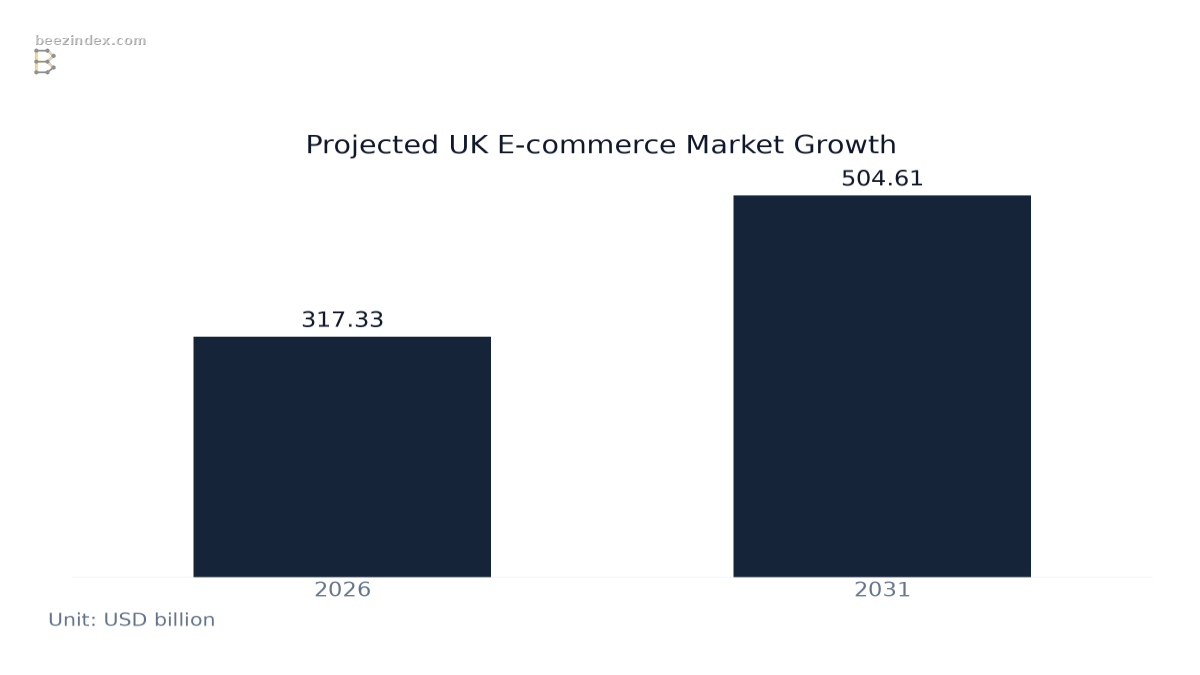
Beyond platform selection, the broader market landscape dictates how quickly brands must scale their infrastructure. Commercial investment continues to climb as stores expand digital operations to capture rising peak-season consumer demand. Sales teams monitor UK shopify store technology to detect when growing brands upgrade their basic store plans to enterprise tiers. The UK e-commerce market is projected to grow from USD 317.33 billion in 2026 to USD 504.61 billion by 2031.[2] This massive expansion forces retailers to modernize checkout systems long before promotional periods begin.
Large retail organizations require seven weeks of preparation to test site architecture and integrate third-party inventory tools. Technical teams complete critical load testing during early autumn to prevent server failures during November traffic spikes. High confidence data signals allow B2B vendors to target stores actively expanding capacity before freeze deadlines take effect across enterprise environments.
Projected UK E-commerce Market Growth
Checkout Optimization and Payment Tools
Once the infrastructure is stable, focus shifts to the customer's ability to complete transactions smoothly. Digital merchants install new payment options before peak trading to reduce checkout abandonment. Cart abandonment averages 70.22% across retail sites, largely driven by hidden fees and difficult payment forms.[1] Store operators add fast digital wallets to keep checkout times under thirty seconds.
Digital wallets account for 54% of global online transactions, making express mobile payments standard practice.[1] Retailers also add flexible credit options to increase average order values during major sales. Financial Conduct Authority regulations now govern these deferred payment tools, requiring merchants to use compliant checkout apps.
Mobile shopping traffic creates distinct operational hurdles for online sellers during discount events. Mobile cart abandonment reaches 85.65% even though smartphones generate 74% of site visits. Retailers adjust mobile scripts in early autumn to prevent interface friction from damaging seasonal revenue.
Revenue Growth and Annual Sales Shifts
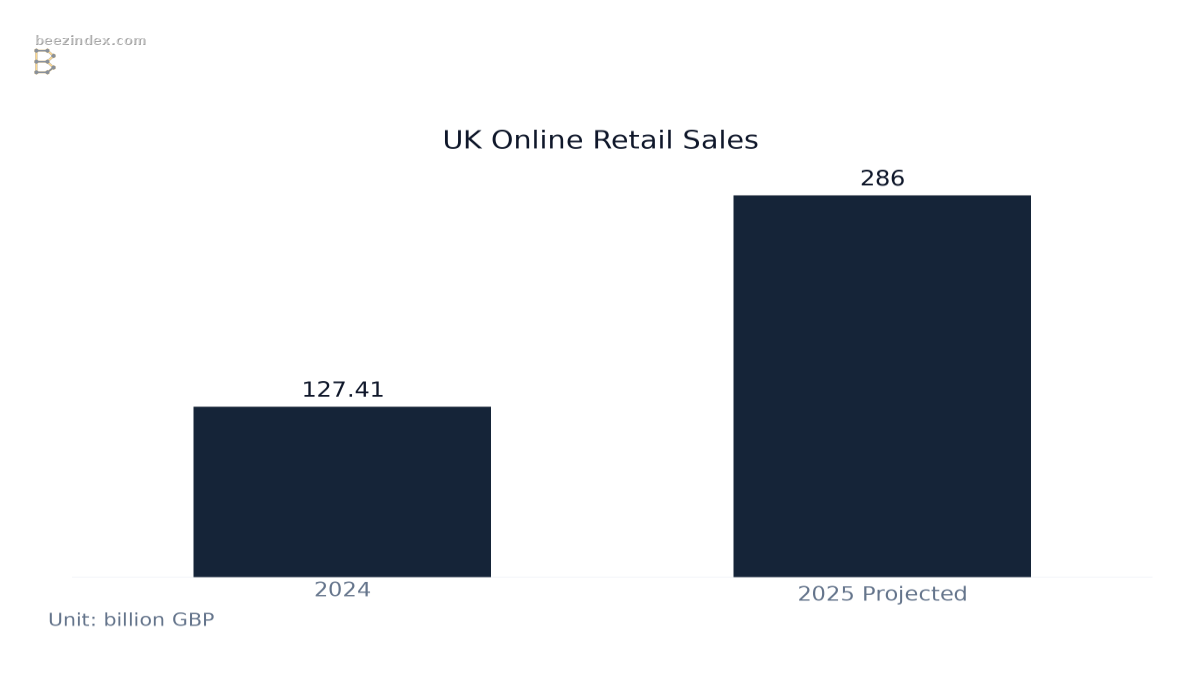
Retailers adjust their promotional calendar because November trading now spans several weeks rather than a single weekend. Technology teams research british shopify businesses to see which stores add high-capacity catalog filters before peak season begins. UK online retail sales reached £127.41 billion in 2024, with the market projected to reach £286 billion by 2025.[1] This expansion drives continuous investment in fast visual elements and search indexing.
Store managers deploy product recommendation engines early to lift order values across expanded promotional periods. Product recommendations account for up to 31% of total ecommerce revenue during high-volume sales windows.[1] Outbound reps use evidence and freshness indicators to pinpoint retailers upgrading personalization software ahead of competitor campaigns.
UK Online Retail Sales
Marketing Automation and AI Tools
With the payment process optimized, retailers turn their attention to driving traffic and engagement through automated messaging. Retail marketers connect messaging software to store databases weeks ahead of Black Friday. Brands send approximately 193 million B2C messages across Britain during the holiday sales period. Marketing teams configure automated sequences in October to segment customer lists before sending high-volume campaign announcements.
Direct communication channels expand rapidly as retailers adopt newer mobile standards for visual promotions. Rich Communication Services volume is projected to grow by 280% during the peak shopping window. Brands use conversational messaging to distribute discount codes and handle initial customer inquiries automatically.
Automated customer service tools help retailers manage peak support request spikes without hiring seasonal staff. Over 63% of consumers report using an AI assistant or chatbot for online purchases. Online stores add these front-end chat widgets before code freezes to resolve order tracking questions instantly.
Timing Sales Outreach Around Code Freezes
Sales teams must align their outbound activity with retailer planning cycles to evaluate sales cycle efficiency. Store managers complete software evaluations in September and October, closing technical changes before peak traffic arrives. Representatives spend 30% of their time selling, but outreach sent during November code freezes yields almost zero technical adoption.
Account executives use migration signals and adoption signals to discover brands actively updating web infrastructure. A business adding headless front-end systems or updating tag managers signals active technical investment. Agencies that track these indicators engage technical decision makers precisely when budgets and implementation schedules remain open for new vendors, ensuring their outreach is connected to what is observable online.
Fulfillment and Operational Infrastructure Upgrades
While front-end marketing and checkout are critical, the backend fulfillment process must also be hardened to handle the surge in volume. Logistics systems face massive operational stress when order volumes surge during multi-week discount campaigns. Retailers connect inventory systems to regional distribution networks across England to keep shipping promises during heavy retail periods.
Apparel brands experience return rates between 20% and 50% following major sales events.[1] Processing returned merchandise costs retailers between $10 and $20 per item. Store operators install dedicated return portals in October to automate customer refunds and lower warehouse processing labor.
Fast delivery policies drive conversions but require tight technical links between digital storefronts and courier services. Over 52% of consumers buy extra products when stores offer simple, free returns policies. Sellers update shipping rule engines early to prevent unexpected parcel delays from hurting brand ratings.
Key Takeaways for Peak Season Outreach
British retailers adjust store software, payment tools, and fulfillment systems long before November promotional events begin. The UK e-commerce sector will reach USD 317.33 billion in 2026, making technical reliability mandatory for trading success.[2] Software vendors must pitch solutions during early planning cycles because mid-autumn code freezes halt technical changes.
Outbound sales teams should track observable web intelligence to spot active store updates and time outreach effectively. Review active web tags and platform migrations across target domains to build qualified lead lists. Start conversations while retailers hold active implementation budgets rather than waiting for peak trading to pass quietly.
Frequently Asked Questions
When do UK retailers enact peak season code freezes?
Most mid-sized and enterprise retailers implement strict code freezes by mid-October. These freezes prevent technical teams from installing unverified software until major shopping events conclude in December.
Which software categories do retailers update most before peak season?
Merchants focus heavily on checkout payment integrations, automated customer messaging, and returns management portals. These tools directly reduce cart abandonment and lower post-sale warehouse processing expenses.
How do sales teams track retailer technology updates?
Commercial teams analyze web crawling data and job postings to detect when stores add new software tags or hire technical specialists. This intelligence confirms when retailers have active budgets and project requirements.
Start a free search on BeezIndex to discover company data and track live technology changes across British retailers.
Explore UK Retail Tech Stacks Today