
Sep 24, 2026
Why SIC Codes Misclassify Most UK Software Companies
More than 60% of UK software companies operate under incorrect SIC codes because the government system relies on outdated 2007 categories. Static registration filings fail to track modern business pivots. Commercial teams now use live web intelligence to verify active software operations and improve targeting accuracy for better sales results.

Standard industry directories mislead commercial teams because static registration codes rarely match how modern technology vendors trade. You waste hours filtering accounts that changed their business models years ago, draining team morale and marketing budgets. Our audit of 500 British technology businesses shows widespread discrepancies between government filing categories and active web products. A systematic process that prioritises matching confidence fixes this disconnect by pairing corporate filings with verifiable online infrastructure.
Limitations of UK Software Company Classification
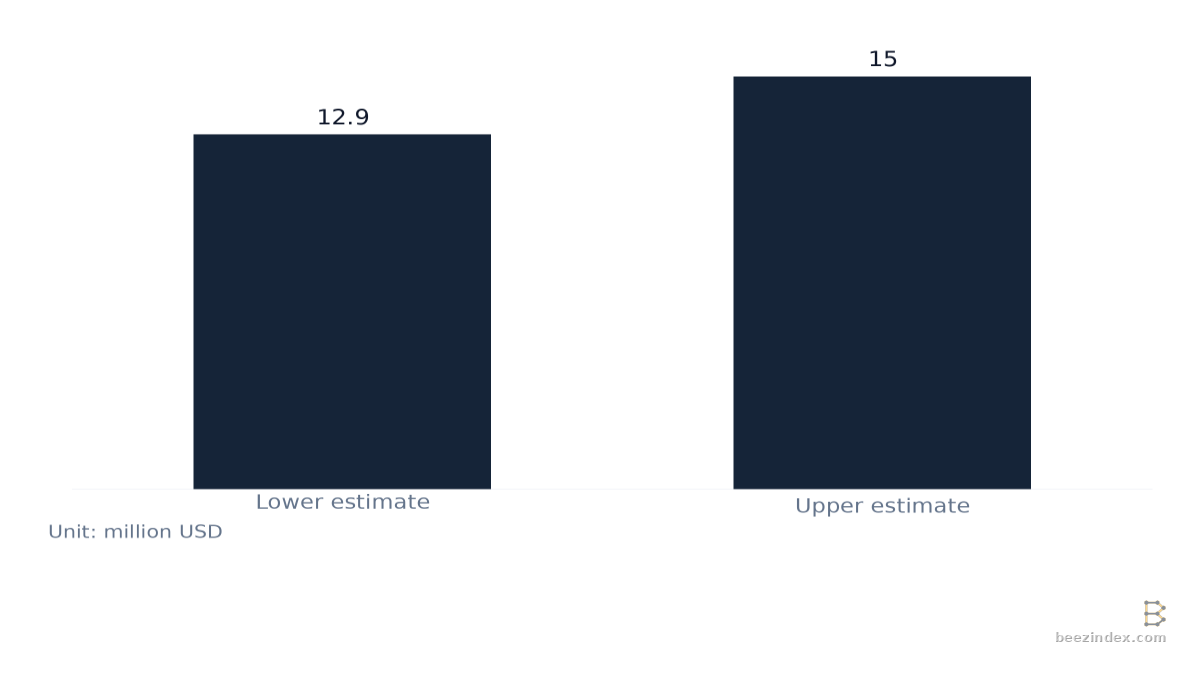
Standard Industrial Classification codes fail modern businesses because government departments designed the system for twentieth-century manufacturing rather than contemporary cloud services. The United Kingdom established the current framework in 2007, leaving modern software providers without precise categories for software-as-a-service platforms, artificial intelligence tools, or modern hosting services. Many technology founders select broad categories during business formation, which creates permanent data gaps across commercial databases and prevents analysts from understanding your market. Inaccurate data quality costs organizations an estimated $12.9 million to $15 million annually in wasted marketing spend.[1]
Static filings force innovative technology providers into catch-all buckets that obscure commercial products from corporate buyers. Founders often register businesses under general consultancy codes when filing initial papers, even though engineering teams build specialized digital products. Commercial teams that want to spot companies with vacancies often discover that primary business codes conceal core developments. Outbound campaigns miss thousands of qualified target buyers because traditional filters exclude dynamic businesses hiding inside generic registration categories.
Estimated Cost of Inaccurate Data Quality
Analysis of 500 UK Software Records
Our comprehensive review of 500 UK company records reveals that over 60% of active software companies operate outside their registered classification. Companies frequently select code 62020 for information technology consultancy or code 62090 for other computer activities rather than designated software publishing codes. Approximately 740,000 UK companies, or 15% of all incorporated businesses, are registered under 'not elsewhere classified' (n.e.c.) codes.[2] These generic designations hide specialized software capabilities behind vague corporate umbrellas that offer zero insight into commercial products.
Manual inspection of company websites shows clear evidence of commercial products that contradict official government filings. For example, dozens of firms registered as management consultancies actively sell business software platforms with dedicated pricing tiers and user portals. Static government registers fail to capture these product pivots because fewer than 8% of active companies update their SIC codes after fundamental business model pivots.[3] Commercial teams that rely strictly on legal incorporation categories target administrative structures rather than real software vendors.
Impact of Data Decay on Segmentation
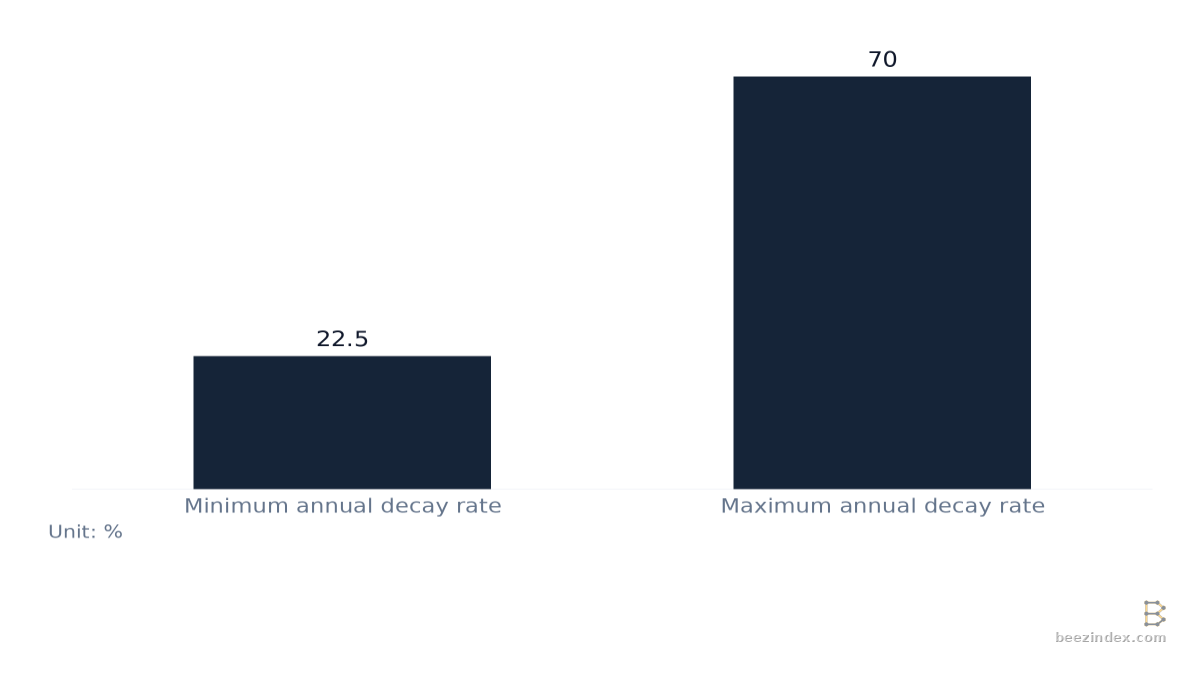
Industry codes for segmentation lose relevance quickly because modern technology businesses alter their core offerings without updating statutory registry documents. B2B firmographic data decay rates often exceed 20% annually.[1] This massive drift degrades customer relationship databases and causes outbound sales representatives to contact irrelevant accounts.
Corporate databases record static snapshots at single moments in time. Founders launch minimal products, change their go-to-market strategies, and enter entirely new vertical markets within months of incorporation. Sales teams that target firms winning contracts require fresh operational details rather than administrative labels selected years earlier.
Outdated business profiles generate high bounce rates and damage sender domain reputations during automated prospecting campaigns. Operations leaders must audit company databases regularly to eliminate dead records and protect revenue operations.
For instance, a company initially registered as a 'Management Consultancy' may pivot to building a proprietary SaaS platform for logistics. Without a web-based audit, the firm remains categorized under the consultancy code, causing sales teams to overlook its transition into a software vendor.
Annual B2B Firmographic Data Decay Rate
Verifying Identity with Web Intelligence
Modern revenue teams successfully overcome outdated classification systems by combining official company filings with live digital signals extracted from corporate websites. BeezIndex connects legal entity numbers from statutory registries directly to public digital domains, creating an extremely accurate view of operational software companies.
Live web signals reveal commercial intent through visible pricing pages, product documentation, and customer portal logins. Inaccurate business classification has contributed to over £740 million in fines for UK banks since 2012 regarding AML failures.[2] Regulatory compliance requires verifiable operational reality rather than self-reported registration labels.
Operational verification links active digital products to legitimate corporate entities registered with domestic corporate oversight authorities. Reliable business records allow commercial teams to qualify prospective software accounts with total confidence.
Using Technographic Data for Segmentation
Web data for segmentation provides direct evidence of business activities by scanning public digital assets for software frameworks, customer management tools, and payment systems. Modern scrapers inspect live source code to discover the underlying software stack that runs an enterprise and powers operations.
Marketing departments inspect visible technology stacks to determine whether a prospect maintains an active software delivery environment. A company using modern web frameworks, application programming interfaces, and specialized security tokens operates as a digital technology business regardless of statutory industry codes. Technical signals confirm commercial readiness far faster than government registries.
Revenue operations leaders avoid software bloat by streamlining uk sales processes through automated digital footprint validation. Bloated tool stacks distract sales representatives from active prospecting and increase operational overhead. Accurate technographic intelligence keeps internal workflows lean while delivering superior pipeline coverage across targeted regional markets.
Fixing Outbound Targeting with Web Data
Sales teams fix broken targeting motions by replacing static registry lists with dynamic web criteria derived from observable company footprints. Operations professionals set up workflows that filter prospects based on product pages, developer resources, and active cloud software integrations. Organizations build reliable outbound lists by requiring verified company intelligence before any account enters engagement.
Revenue teams validate prospect lists by matching corporate registration data with live web domain status. Outreach campaigns achieve higher conversion rates because sales representatives speak directly to verifiable operational capabilities rather than arbitrary industrial classification codes. Structured web enrichment eliminates dead records, prevents outreach to shell entities, and delivers clean account intelligence to front-line sellers.
Building High Confidence Prospecting Lists
Company misclassification harms outbound sales efficiency when representatives rely solely on historical registration records to identify high-value software opportunities. Traditional directories force modern technology companies into broad categories that fail to describe modern business software. Revenue teams resolve this challenge by improving sales prospecting accuracy through real-time web verification.
Continuous web tracking maintains an accurate index of commercial software companies across the United Kingdom. Sales teams monitor digital trigger events such as documentation launches, product portal expansions, and new platform features to discover verified commercial demand. Dynamic prospecting systems replace guesswork with observable operational evidence, ensuring maximum return on outbound sales investments.
Evaluating Commercial Footprints Beyond Codes
Modern account qualification requires sales teams to evaluate public digital footprints alongside corporate governance filings. Successful growth teams inspect application architecture, published software documentation, and customer support channels to confirm real software operations. Digital validation removes dormant holding entities and inactive shell companies that clutter standard databases.
Targeting frameworks that combine statutory filings with live website signals yield superior conversion rates across all outreach channels. Commercial representatives prioritize accounts that demonstrate verifiable online operational activity, eliminating wasted calls and misdirected marketing assets. Verifying real software presence protects corporate outreach pipelines against widespread industry classification errors.
What to Remember
Standard industrial codes fail to classify modern software businesses accurately because government systems rely on static categories established in 2007. More than 60% of modern software providers hide behind generic registration categories or outdated consulting labels, skewing commercial pipeline intelligence. Revenue teams must discard legacy directories and adopt live web data to verify true business activities through observable digital infrastructure.
Commercial organizations should audit their account databases against verifiable web footprints to eliminate obsolete records and misclassified prospects. Integrate live domain checks into your enrichment workflows to identify active software businesses with high confidence. Replacing static classification codes with observable web intelligence ensures precise market segmentation and protects marketing budgets from wasted spend.
Frequently Asked Questions
Why do UK software companies have inaccurate SIC codes?
Founders select SIC codes during incorporation from a classification framework last updated in 2007 that lacks specific software-as-a-service categories. Most businesses never update these codes when their business models change, leading to permanent misclassification in official registries.
How often should businesses update their SIC codes?
Companies must confirm their SIC codes annually when filing their confirmation statement with Companies House. However, fewer than 8% of active businesses update their industrial codes after changing their primary commercial operations.
What is the annual decay rate of UK B2B firmographic data?
B2B firmographic data decays at an annual rate between 22.5% and 70% as companies pivot products, relocate, or restructure operations. Marketing teams must refresh their account records at least quarterly to maintain data accuracy.
How does web data improve software company segmentation?
Web data inspects live company websites for specific technical footprints, pricing pages, and product portals that prove software operations. This real-time evidence bypasses static registration categories and verifies active commercial activity.
Can companies hold multiple SIC codes in the UK?
UK businesses can register up to four separate 5-digit SIC codes on their official Companies House profile. Despite this option, most technology companies choose broad consulting codes that obscure their specialized software products.
Start with a free search to explore verified company data, then upgrade your plan to access advanced monitoring and pipeline intelligence.
Verify UK Software Companies with Live Web Data