
Sep 22, 2026
Using UK Contract Awards to Find Companies Ready for New Software
The UK public sector spends over 300 billion pounds annually on external services. Sales teams identify high-intent software buyers by linking public procurement award notices to observable website technology stacks. This data-driven workflow helps revenue teams prioritize accounts with verified budgets and urgent infrastructure needs before competitors initiate outreach.

B2B growth leaders face severe pipeline friction when they rely on cold lists rather than verified corporate trigger events. Public procurement award notices unlock live records of commercial suppliers that secure major public budgets and require urgent technical capability upgrades. Tracking awarded suppliers reveals concrete software buying windows before competitors recognize the underlying operational expansion.
Public Procurement as a Buying Signal
Public procurement contract award data highlights verified commercial expansion across private contractors that secure central and regional government agreements. When a private supplier secures a tender, the business commits to strict delivery metrics, enhanced security baselines, and higher operational capacity. These awarded suppliers immediately require updated enterprise applications, project management platforms, and developer tooling to complete their client obligations. Commercial sales teams use public contract award data as high-intent software buying signals to connect with expanding operations before general market outreach begins.
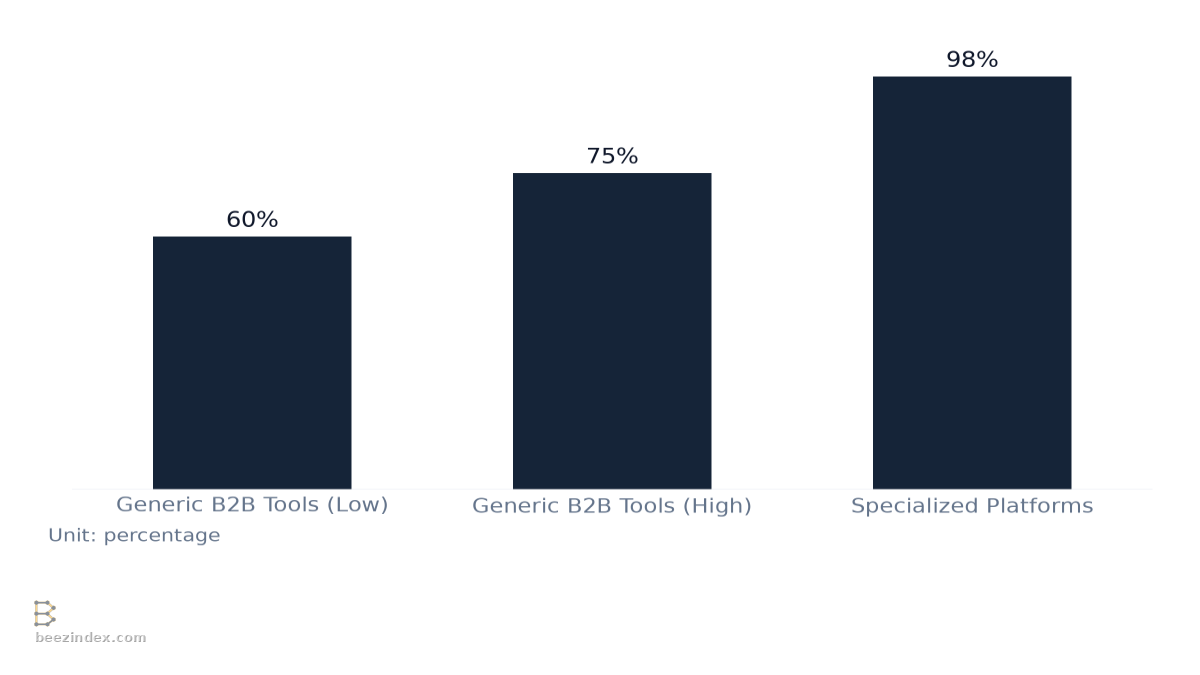
Revenue teams achieve predictable outreach cycles by cutting unnecessary digital tools and tracking specific supplier award records from official notices. Public procurement intelligence removes arbitrary account selection by providing clear transaction timelines, framework budgets, and stated service deliverables. Generic B2B enrichment tools typically yield 60-75% accuracy in the public sector, whereas specialized platforms reach 98% because public records require precise company identity matching. Teams that rely on poor contact data waste selling capacity on misidentified decision makers and dead end accounts.
Public Sector Contact Accuracy Comparison
Monitoring Contracts Finder Workflow
Contracts Finder serves as the primary portal for monitoring lower-value public opportunities and awarded commercial agreements across central government departments. Commercial researchers review published tender notices every morning to extract the winning supplier names, registration numbers, and total contracted budgets. Public buyers publish these transaction records under the Open Government Licence, creating an open audit trail of commercial growth. Sales representatives who monitor these releases capture early commercial intent within 24 hours of official buyer publication, which prevents late outreach cycles.
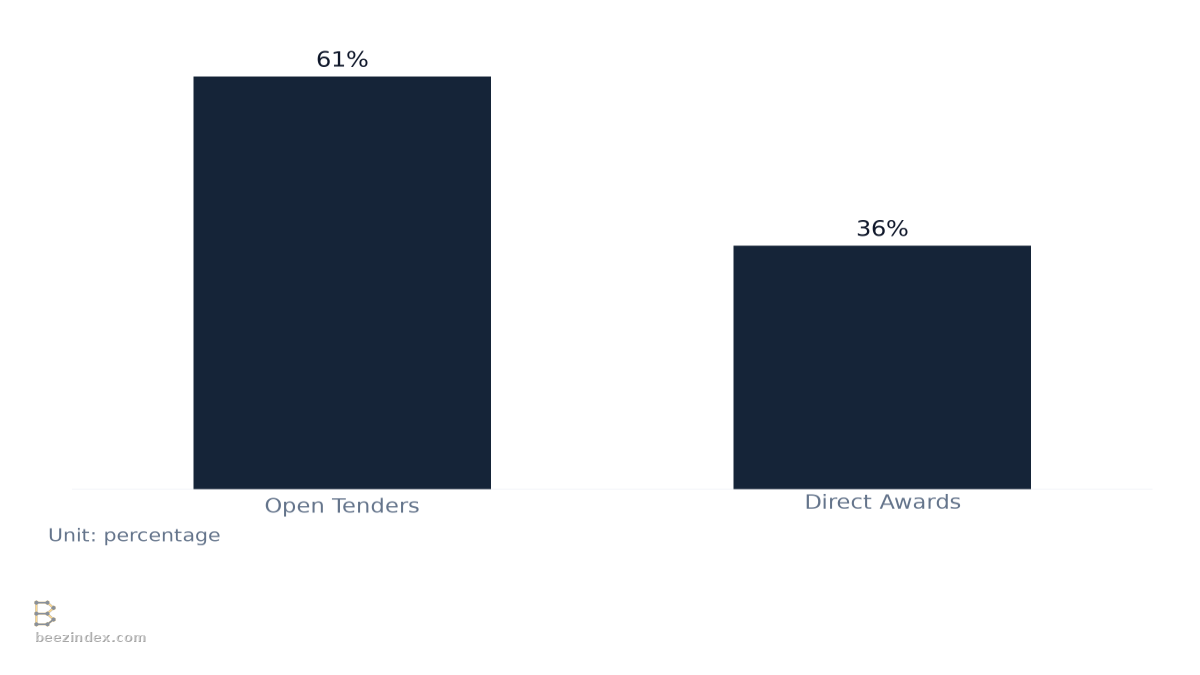
Market analysis shows that SMEs have a 61% win rate in open tenders compared to a 36% win rate in direct awards. These growing suppliers often maintain minimal technical infrastructure before winning high-value work, which creates urgent demand for modern software applications. When an SME secures an open tender award, its leadership team must scale internal communications, reporting tools, and compliance systems. Sales teams that inspect these smaller winners gain immediate access to receptive executives who need modern operational tools.
SME Win Rates by Tender Type
Improving Intelligence with Observable Stack Checks
Generic prospecting feeds present static contact records that fail to show current operational capacity or technical compatibility. Sales development representatives lose selling time when targeting organizations that lack the digital infrastructure required to host modern SaaS integrations. Combining contract award filings with observable web intelligence allows commercial teams to inspect public-facing digital assets and confirm underlying software configurations. This workflow separates qualified buyers from obsolete organizations before account executives initiate expensive outreach campaigns.
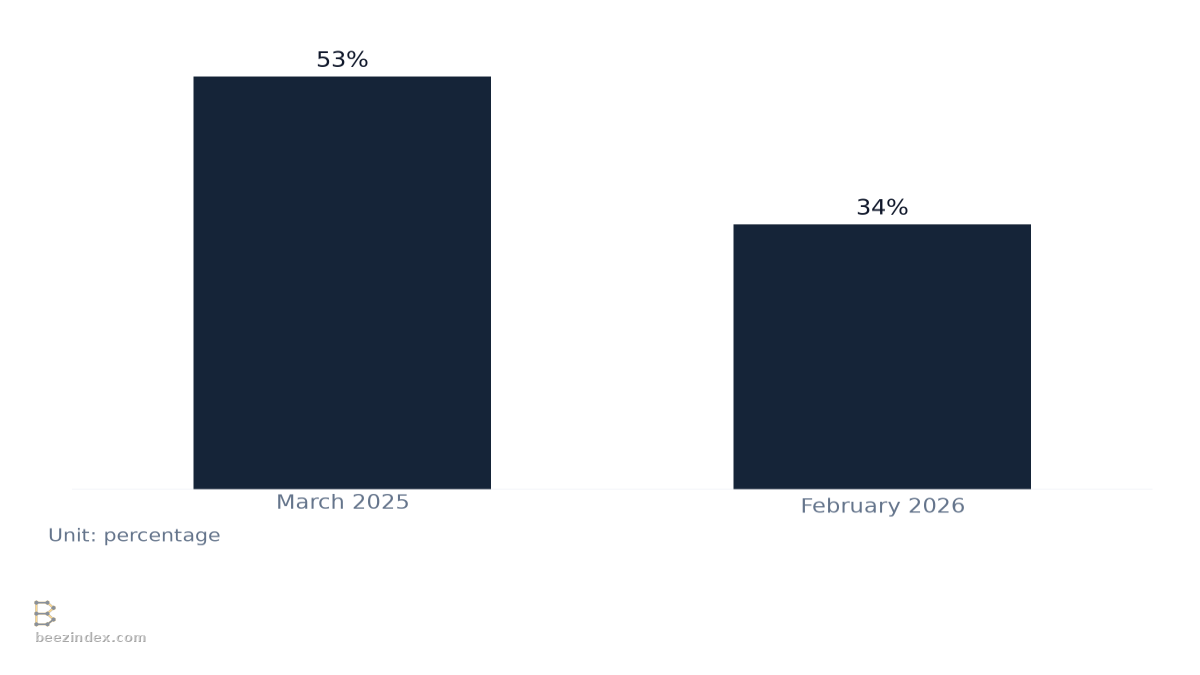
Procurement dynamics continue to change across the United Kingdom as public authorities adopt competitive sourcing frameworks under updated regulations. Direct, uncompetitive procurement procedures decreased from 53% in March 2025 to 34% in February 2026. This downward movement means more businesses must win tenders through competitive technical evaluations rather than closed supplier relationships. Revenue teams protect prospecting results by addressing tech stack deficiencies and confirming that awarded suppliers maintain modern web architectures.
Direct Procurement Procedure Trends
Verifying Technical Environments with Precision
Commercial auditors check the digital scripts and third-party code visible on public company websites to map current software environments. Inspecting public web signals confirms which content management systems, analytics tags, and customer portals an awarded vendor runs. Teams that skip direct infrastructure verification face poor engagement because their proposed software fails to integrate with legacy systems.
Specialized tracking solutions verify whether an account runs modern platforms or unsupported legacy systems. BeezIndex provides verified company-to-website intelligence that links UK procurement awards directly to observable web stacks, giving revenue teams high confidence account matches.
Commercial growth teams use these technical checks to calculate deployment feasibility before sending customized outreach proposals. Sales managers who understand target environments configure software pitches around specific integration points, which reduces standard evaluation friction. Account executives shorten initial discovery calls because they already know which complementary platforms the awarded business runs.
Tracking Stack Freshness and Change Signals
Thorough website technology changes reveal active software buying cycles across high-growth commercial accounts. When an awarded supplier removes an old tracking script or installs a new payment gateway, the action signals ongoing internal system upgrades. Waiting for outdated vendor directories causes sales teams to miss active buying windows entirely.
Technographic data decays by roughly thirty percent each year across private commercial records because companies constantly change vendors. Sales teams that filter uk businesses by cms can spot modern headless frameworks or detect outdated architectures that need replacement. Organizations that rely on stale datasets spend hours pitching legacy software integrations to businesses that recently migrated to cloud services.
Active monitoring workflows track meaningful changes in production code to surface accounts that are reconfiguring their digital operations. A newly awarded public contractor that introduces enterprise analytics tags is actively upgrading its data reporting processes. Sales representatives who capture these digital changes engage target executives while project budgets remain uncommitted.
Structuring Outbound Cadences from Award Triggers
Revenue operations leaders configure automated workflows that ingest tender awards and append verified technographic indicators directly into pipeline records. Sales representatives spend 30% of their week selling, 9% researching, and 8% prioritizing leads. Automating spend intelligence and technical validation removes manual investigative tasks, allowing commercial teams to focus on active deal execution rather than administrative prospecting.
Cold outreach campaigns achieve higher conversion rates when account executives reference recent public contract wins and observable system constraints. Smartsheet reported an 84% increase in MQLs and a 59% increase in win rate using technographic and intent signals. Reaching out within two weeks of an award notice creates conversational relevance because executive leadership teams are actively staffing their project delivery groups.
Maintaining UK Compliance and Governance
Commercial sales teams must follow strict regulatory guidelines when collecting and processing corporate intelligence for business outreach across the United Kingdom. In the UK, business-contact details are considered personal information under privacy and marketing law enforced by the Information Commissioner's Office. Organizations must establish an appropriate lawful basis, maintain transparency notices, and honor immediate opt-out requests when conducting outbound campaigns.
Data governance teams reduce regulatory exposure by auditing corporate records and rejecting scrapers that harvest unverified personal contact details. Public sector spending data published under the Open Government Licence v3.0 provides a fully compliant foundation for account-level discovery. Revenue teams locate digital commerce brands and verify business entities safely by sourcing public corporate records rather than buying questionable consumer lists.
Actionable Steps for Revenue Leaders
Combining public procurement records with observable website technographics provides a reliable, high-confidence prospecting strategy for B2B sales teams. The UK public sector spends over £300 billion annually on external goods and services, creating thousands of commercial contract award notices every month [1]. Teams that align their outreach with confirmed tender wins engage commercial buyers that possess verified delivery budgets, active project deadlines, and urgent software upgrade requirements.
Commercial directors should audit their current prospecting feeds and connect daily Contracts Finder notices directly to their customer relationship systems. Pair each newly discovered award winner with an observable technology scan to confirm system compatibility before assigning accounts to outbound representatives. Establishing this signal-driven prospecting routine protects representative selling time and builds a predictable pipeline of qualified mid-market opportunities.
Frequently Asked Questions
How often does the UK government update Contracts Finder award notices?
Public authorities publish contract awards to Contracts Finder on a continuous daily basis as procurement teams finalize awards. Central government buyers must report awards valued over £135,018, while sub-central authorities report contracts above £207,720 [2]. Commercial prospecting teams should monitor these feeds every business morning to capture new awards within 24 hours.
Why do public contract awards indicate a software buying window?
Suppliers that win public tenders must scale internal operations to satisfy mandatory delivery schedules, security audits, and project reporting standards. These expanding companies receive substantial public funding and frequently purchase project tracking, security software, and workforce tools to execute contracts. Outreach during this phase catches buyers while unallocated project budget remains available.
How do website technology checks improve procurement lead qualification?
Observable website technographics reveal the active tools, ecommerce platforms, and analytics tags running on a supplier's public domains. Comparing tender award announcements against existing website technologies ensures the prospect operates an environment compatible with your software. This check prevents account executives from wasting calls on businesses that run unsupported legacy architectures.
Start with a free search to discover UK contract winners and inspect their live website technologies. Upgrade your plan to access automated daily monitoring alerts.
Track UK Procurement Signals Faster