
Sep 21, 2026
Read in: English (United Kingdom)
More B2B Sales Tools Can Lower Revenue for UK Reps
Sales reps spend only 28% of their week selling when B2B sales tools clutter their workflow. Excessive software subscriptions create administrative friction that reduces deal velocity and lowers revenue per rep. UK commercial teams can increase conversion rates by 10% to 30% by consolidating their tech stacks and using verified technographic data instead.

British commercial directors often purchase extra software to fix sluggish pipelines, but this choice frequently backfires. Research shows that sales reps spend only 28% of their work week actually selling when stacks expand without control. This administrative burden drags down individual deal velocity and erodes your net margins across the United Kingdom. You can protect baseline quota attainment by auditing your systems and removing overlapping vendor point solutions. Reliable pipeline growth depends on verified data foundations rather than endless platform subscriptions.
The Hidden Cost of Tool Bloat
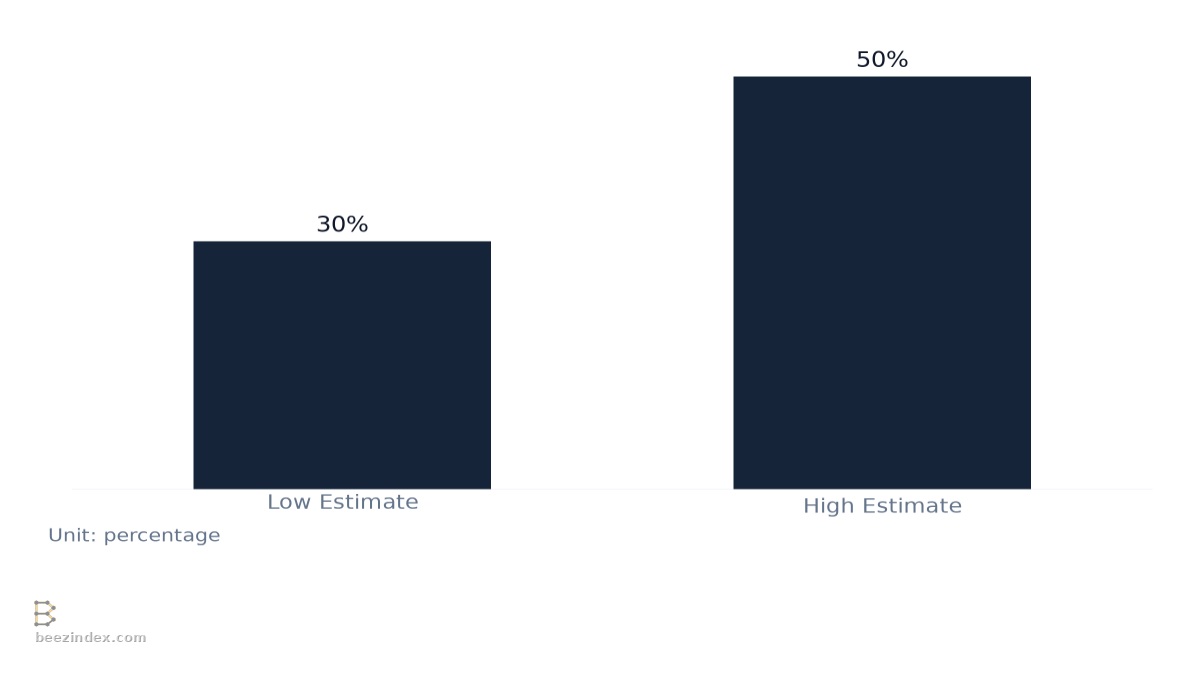
Enterprise technology purchases often promise rapid pipeline acceleration, but unmanaged tool bloat creates severe daily friction for commercial personnel across Britain. A modern commercial team licenses between 10 and 15 individual applications, yet frontline professionals actively engage with only 3 to 6 platforms during their regular daily schedules. This fragmentation hurts operational rhythm because teams waste hours copying account details between disconnected databases, which directly lowers overall revenue per rep across standard quarters. Leaders must focus on evaluating company stack data before buying additional licences, because 30-50% of paid SaaS seats often show zero activity.[1]
Context switching between disconnected point solutions harms individual focus and causes significant operational drag throughout the standard working week. Recent workplace surveys confirm that 66% of sales reps report feeling overwhelmed by the number of tools they are required to use every day.[2] Bad operational data and fragmented interfaces waste approximately 27% of a representative's potential selling time, which reduces customer contact hours and depresses conversion rates. Commercial organizations lose substantial operating margin because excessive software subscriptions generate ongoing license costs while actively degrading daily frontline performance.
Unused SaaS Seat Activity Range
Tool Sprawl and Deal Velocity
Modern revenue operations frequently suffer from tool sprawl when managers buy niche software without removing older legacy systems. Field representatives spend approximately 30% of their week selling, 9% researching prospects, and 8% prioritizing leads instead of closing contracts; meanwhile, commercial leaders discover that adding more point tools increases administrative work rather than pipeline velocity across standard sales cycles.
Revenue per rep drops steadily when sales personnel spend hours updating disjointed databases. The average enterprise wastes $19.8 million annually on unused software subscriptions across departments.[1] Disconnected tools create administrative friction that extends normal qualification timelines by several weeks.
Sales cycles stretch longer because frontline workers must verify outdated firmographic data across several browser windows and disparate systems. Organizations that establish tool consolidation protocols cut total cycle duration by 5% to 20% while lifting conversion rates and improving commercial visibility.
Target Accounts With Simpler Motions
Commercial operations teams often deploy complex, multi-touch sales sequences against prospective accounts that actually demand a direct, simple sales motion. SalesHive reported a 28% higher conversion rate when integrating technographics into their targeting strategy, proving that technical infrastructure signals provide superior qualification clarity. High-performing teams spot WordPress websites in England to identify straightforward digital footprints while observability into live website platforms eliminates speculative discovery calls and enables immediate solution presentation.
Enriched technographic intelligence transforms account selection by showing operational software configurations before any outreach begins. For example, Snowflake utilized enriched technographic scoring to refine their sales territory focus, while Smartsheet reported a significant increase in win rate by layering technographics and intent data into their account prioritization workflows to remove pipeline friction and shorten deal discussions.
Consolidating Mid-Market Software Spending
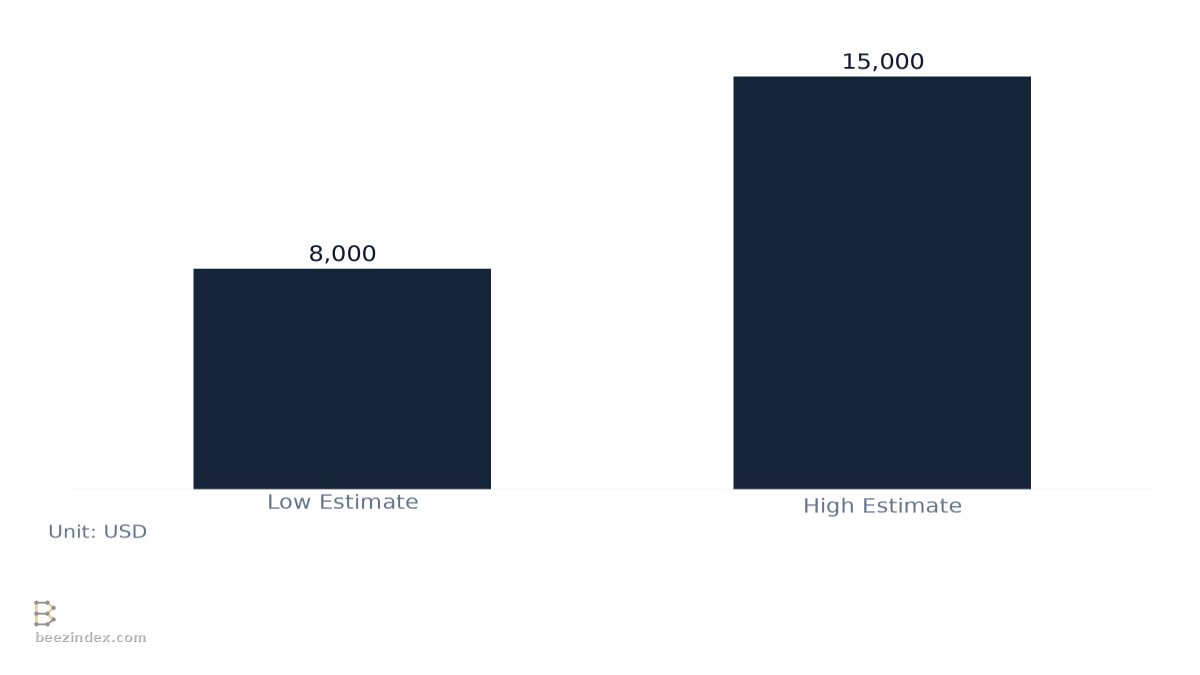
Uncontrolled technology expansion damages mid-market operating budgets across the United Kingdom. Mid-market companies spend between $8,000 and $15,000 per rep annually on sales technology.[2] These software costs reduce operating profit margins without improving representative quota achievement.
Commercial leaders must conduct formal overlap checks for any platform contract exceeding £10,000 before signing annual renewal agreements. Organizations that successfully implement consolidation policies typically report 25-30% lower annual SaaS spending across commercial operations.[1] Removing overlapping point applications simplifies operational training, speeds up new representative onboarding, and lowers technical integration failures.
High-performing commercial teams cut down administrative overhead by expanding core systems rather than licensing disconnected point tools. Consolidating peripheral tools into verified data feeds protects rep bandwidth and drives higher baseline conversion across sales units.
Annual Sales Technology Spend per Rep
Maintaining High Data Accuracy Indicators
Outdated database records degrade sales efficiency and force representatives to manually cross-reference contact logs across external websites. Commercial teams identify uk online stores by examining live script tags rather than trusting stale commercial directories that decay every quarter. Teams keep research moving by reviewing verifiable web signals, which cuts out bad contact data and stops reps from chasing disqualified companies.
Planning models indicate conversion improvements between 10% and 30% relative lift when sales reps work from verified infrastructure data. Tracking observable web changes allows account managers to detect contract renewal opportunities, software migrations, and platform drop-offs in real time. Organizations cut customer churn by 2% to 10% across monitored accounts by acting on timely technical signals rather than unverified third-party lists during quarterly reviews.
Building Smarter Prospecting Intelligence
Modern revenue leaders eliminate software bloat by replacing disconnected lead generation subscriptions with verified data sources. Technographic intelligence delivers maximum commercial value when revenue teams connect website software signals directly to firmographics, first-party CRM activity, and historical sales outcomes. Revenue leaders improve sales pipeline velocity by providing reps with high confidence account records that require zero manual verification across external browser tabs.
Consider a scenario where a sales representative spends 45 minutes manually cross-referencing a prospect's website against a CRM entry. By replacing this manual process with automated technographic signals, the representative receives an instant alert regarding the prospect's current tech stack, allowing them to initiate a tailored conversation immediately.
The BeezIndex platform delivers observable web intelligence that connects verified corporate registries to active digital footprints across Britain. Commercial analysts start with a free search to explore company data and identify live website technical stacks before launching outreach campaigns. Sales organizations then upgrade their subscriptions to access continuous monitoring features, automated stack change alerts, and shared intelligence workspaces for their development teams.
UK Compliance and Data Privacy
Operating compliant sales workflows across the United Kingdom requires strict adherence to statutory data protection standards and collection guidelines. The UK Data Protection Act 2018 and UK GDPR require a valid lawful basis, such as legitimate interest, whenever commercial teams process personal corporate contact information. Sales teams adopt a cleaner approach to sourcing by focusing on company-level digital infrastructure, avoiding privacy infringements while gathering actionable account intelligence.
Corporate data governance frameworks demand data minimization protocols that restrict collection strictly to functional commercial fields. Commercial operations teams must evaluate external data vendors for encryption standards, signed Data Processing Agreements, and ISO certifications before purchase. Organizations must also maintain formal data subject access request procedures to handle public records inquiries and purge stale entries from core systems.
Steps to Protect Representative Velocity
Sales technology accumulation frequently decreases representative productivity by trapping frontline professionals in administrative loops across disconnected platforms. Commercial teams spend only 28% of their time selling when forced to navigate complex stacks containing 10 or more overlapping tools. Consolidating peripheral subscriptions into unified data platforms reduces software license expenditure by 25% to 30% while expanding frontline capacity.
Revenue operations directors should audit their current commercial stack by logging seat utilization rates and removing tools with less than 40% weekly adoption. Replace fragmented prospecting subscriptions with verified company-to-website intelligence that integrates cleanly with your central customer database. Conducting active quarterly license reviews ensures your commercial budget supports real revenue generation rather than idle software shelfware across teams.
Frequently Asked Questions
What is the primary indicator of tech stack bloat?
A primary indicator is low weekly platform adoption across frontline commercial staff. Most bloated teams license between 10 and 15 tools while reps actively log into only 3 to 6 applications. Any platform with weekly usage falling below 40% represents unnecessary software bloat.
How much money do mid-market firms spend per sales rep on software?
Mid-market organizations spend between $8,000 and $15,000 annually per sales representative on commercial tools. This figure combines CRM seats, engagement layers, data enrichers, and dialer licenses. Consolidating redundant vendors typically lowers this expenditure by 25% to 30%.
Does collecting website technographic data violate UK GDPR rules?
Collecting public company-level technology information does not violate UK GDPR regulations because server scripts and website software are non-personal corporate facts. However, individual email addresses and direct phone numbers represent personal data that require a documented lawful basis. Sales teams must separate infrastructure intelligence from individual contact data to remain compliant.
How long should a software consolidation process take?
A structured consolidation process usually requires 90 to 120 days from initial audit to final cancellation. Revenue operations teams run a 30-day parallel migration period followed by a 60-day read-only sunset phase for outgoing tools. Locking software cancellation lists 90 days before renewal dates ensures maximum procurement leverage.
What performance gains occur after consolidating sales tech tools?
Teams that eliminate overlapping applications report a 5% to 20% reduction in sales cycle duration. Representatives reclaim up to 27% of their working hours by reducing manual record updates and context switching. Conversion rates typically rise by 10% to 30% when teams target prospects using accurate technographic signals.
Start with a free search to explore verified UK company data and tech stacks, then upgrade your plan to access live account monitoring and shared team intelligence.
Eliminate Tool Bloat With Verified Intelligence