
Nov 16, 2026
Read in: English (United Kingdom)
Spot UK Retailers Using ReBound or ZigZag Returns Software
UK retailers lose £27 billion annually to product returns, forcing brands to adopt automated logistics platforms. Analysts use public website signals like JavaScript trackers and portal subdomains to perform returns management software detection. This approach helps sales teams identify merchants investing in post-purchase operations for targeted outreach.

Product returns drain margins and create severe operational headaches for ecommerce brands across Britain. Retailers spend huge budgets on specialised reverse logistics platforms to handle customer parcels and protect their bottom line. Tracking these technical installations from public website signals reveals which merchants actively invest in post-purchase operations. Sales teams can use these digital indicators to qualify accounts and offer targeted services that match an established software stack. The public data reveals clear patterns that separate mature merchants from basic online shops.
Returns Management Software Detection in Retail
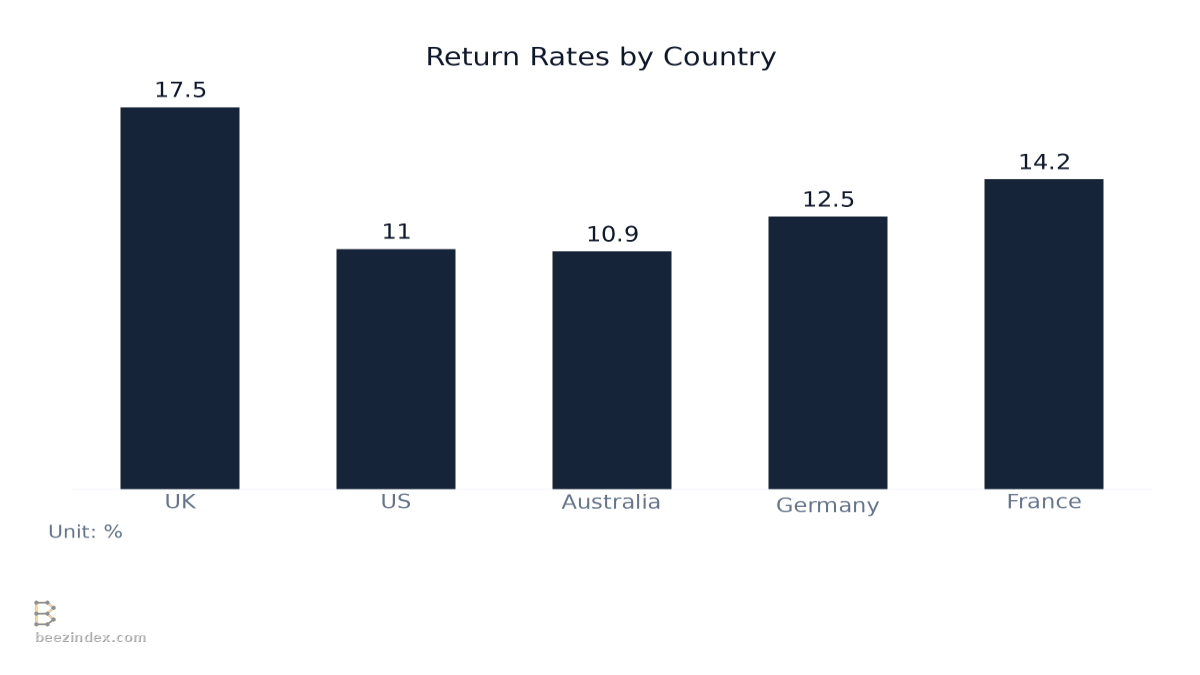
Online shopping habits force UK brands to handle massive volumes of returned merchandise every single week, exposing data gaps in modern prospecting when teams search for active merchants. UK online shoppers return approximately £27 billion in goods annually, which strains warehouse capacity and inflates operational expenses for growing businesses.[1] The domestic market faces unique pressures because UK return rates stand at 17.5%, whereas the US records 11% and Australia records 10.9%.
Retail merchants deploy dedicated software platforms to automate parcel routing, manage label generation, and control rising customer support overheads. These tools help businesses inspect returned stock and recover revenue through inventory management integrations. Because high return rates cause major margin loss when retailers fail to track package locations, brands adopt specialised web portals to stem losses. Modern enterprises require complete visibility into every single transaction.
Return Rates by Country
Detecting Platforms Through Public Signals
Front-end tracking signals allow researchers to spot external returns management tools without requesting internal access to retailer systems. Dedicated platforms like ReBound, ZigZag, and Happy Returns embed custom JavaScript trackers and unique subdomain links across post-purchase pages. By inspecting website source code, analysts find script tags pointing directly to vendor networks such as global-e or zigzag.returns.portal domains.
Portal links in website footers frequently redirect customers away from primary ecommerce domains to vendor-hosted self-service return pages. These external domains confirm the exact vendor handling customer shipments, label generation, and carrier drops. Analysts verify these software configurations by checking network requests during the customer return submission process, which prevents false positive records. Detailed audits ensure high data accuracy.
UK Retailer Returns Tech Infrastructure
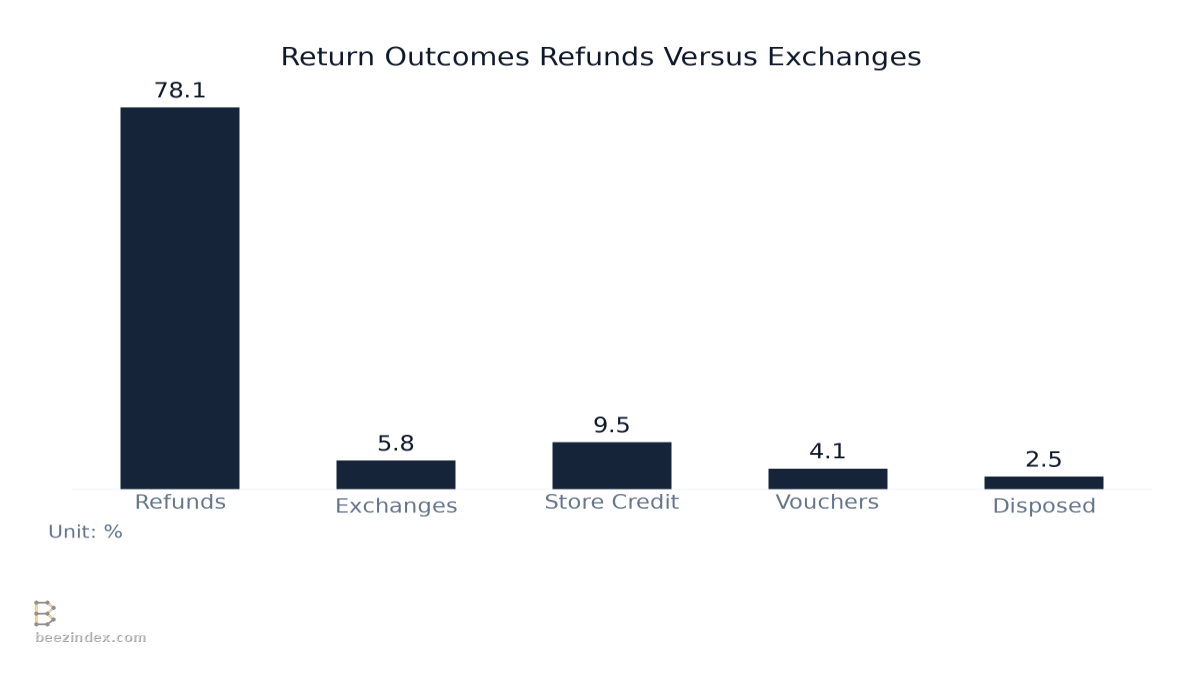
Modern ecommerce stores integrate returns management software to process reverse shipments, replacing manual paper notes with automated customer portals that support B2B website navigation. Research reveals that 78.1% of returns result in refunds while only 5.8% convert into product exchanges.[1] Retailers lose substantial inventory value when systems default to issuing cash refunds rather than promoting store credit or replacement sizes.
Automated reverse portals help merchants protect revenue by presenting immediate exchange alternatives when shoppers initiate parcel returns. Retailers connect these systems to local warehouse depots to inspect merchandise quickly before releasing customer funds. Stores lacking dedicated reverse logistics tech struggle with customer disputes and slow turnaround times, creating clear sales opportunities for complementary service providers.
Return Outcomes Refunds Versus Exchanges
Signals of Operational Maturity in Retailers
Retail brands that deploy dedicated reverse logistics tools show advanced operational maturity compared to basic ecommerce operators. These merchants handle large order volumes that justify annual software subscription costs and technical integration investments. Efficient supply chains create durable market advantages.
Fashion brands experience the highest return volumes, especially across clothing, footwear, and accessories where customer sizing creates frequent exchanges.[2] Online returns often cost twice as much as original outbound parcel delivery, forcing mature brands to add strict operational controls.
Firms handling heavy returns invest in automated warehouse routing and drop-off partnerships with carrier networks. Identifying these technical tools allows service providers to approach merchants with relevant solutions for warehousing, customer care, and logistics. Targeted outreach drives superior conversion rates.
Regulatory Compliance and Returns Transparency
British consumer legislation sets strict standards for online order cancellations, requiring brands to provide clear customer instructions and stay compliant with legal boundaries for data extraction. The Consumer Contracts Regulations 2013 mandate a 14-day cancellation window and an additional 14-day window for shoppers to return unwanted products.[1] Transparent return policies help merchants comply with these consumer protection laws while reducing inbound support tickets from confused buyers.
Returns management software generates automated shipping labels and audit logs that verify parcel handovers and delivery milestones for statutory compliance. These digital records protect merchants against false loss claims and chargeback disputes from customers. Retailers that lack automated compliance tools face regulatory scrutiny and customer friction when refund timelines exceed statutory limits.
Prospecting Returns Tech with BeezIndex
Sales teams search technographic datasets to identify merchants using specific reverse logistics platforms without conducting manual source code audits. Dedicated research platforms track web footprints across thousands of UK ecommerce stores simultaneously, accelerating prospecting workflows significantly.
BeezIndex allows researchers to run a free search to explore live company data and discover active retailers using specific tools like ReBound or ZigZag. Users can upgrade their plan to access advanced monitoring features and shared intelligence tools. Comprehensive data feeds empower sales professionals.
Commercial teams track retailer software updates to spot platform migrations, vendor cancellations, and logistics upgrades as they occur. These timely software installation signals allow agencies and logistics vendors to initiate relevant conversations with commercial decision makers, yielding higher pipeline value.
Typical Return Fees Range in Pounds

Advanced Filtering for Market Research
Prospecting workflows benefit from combining technographic indicators with merchant revenue and employee data to respect the scope of purpose limitation in outreach. Return fees charged by retailers typically range from £2.50 to £2.95, reflecting the growing trend toward paid reverse logistics.[1] Screening accounts by platform choice allows research teams to separate enterprise retailers from smaller independent merchants.
Market analysts track software adoption across distinct commercial categories to measure operational spending and reverse supply chain maturity. Approximately 76% of the 100 largest UK retailers now charge return fees or withhold delivery refunds to protect margins.[1] By combining software tags with corporate filing data, teams build accurate prospect lists for logistics and software sales.
What to Remember
Monitoring public website signals provides actionable insights into retailer operations without relying on unverified estimates. UK retailers face £27 billion in annual customer returns, making automated reverse logistics software a top priority for growing ecommerce brands. Tracking platforms such as ReBound and ZigZag highlights businesses that actively invest in their post-purchase operations.
Commercial teams should combine returns software detection with verified firmographic attributes to prioritize accounts with the highest conversion potential. Verify detected vendor tags by inspecting portal subdomains or tracking scripts before initiating outbound campaigns. Use verified web intelligence to align your services with the prospect's active software stack, as strategic alignment drives measurable business growth.
Frequently Asked Questions
How do crawlers identify ZigZag Global on a retail website?
Crawlers scan website source code for embedded JavaScript tracking libraries or external portal links that redirect shoppers to zigzag.returns.portal subdomains. These observable network requests confirm that the merchant processes customer returns through ZigZag rather than internal systems.
What is the typical cost of enterprise returns management software?
Enterprise returns platforms charge volume-based fees alongside annual platform subscriptions that often exceed £10,000 to £50,000 depending on parcel throughput. Retailers offset these software fees by charging customer return deductions that usually sit between £2.50 and £2.95 per parcel.
Does UK consumer law allow retailers to charge return fees?
Yes, UK retailers can charge return postage fees provided they state these terms clearly in their customer contracts before purchase. The Consumer Contracts Regulations 2013 permit retailers to withhold collection fees, which over 76% of top UK merchants currently enforce.
Search thousands of UK ecommerce brands by website technology and find merchants investing in modern returns software. Run your initial query and upgrade anytime for advanced monitoring.
Start Your Free Company Search Today