
Oct 19, 2026
Read in: English (United Kingdom)
RCS and AI Chat Signals in UK Retail Peak Season Prep
UK retailers increase purchase conversion rates by 12.3% using AI chat tools. Analysts identify operational readiness by monitoring public site signals for RCS detection and active API connections. Proper verification of carrier certificates and live chat scripts before late October code freezes ensures peak season stability and higher customer retention.

Retail teams across Britain deploy conversational software weeks before November to manage high customer message volumes. Spotting functional conversational commerce widgets on public websites shows commercial readiness and active marketing investment. Many storefronts install test scripts that fail during heavy traffic periods. Evaluating real technical signals separates operational leaders from unprepared merchants.
Spotting Real Conversational Commerce on Retail Sites
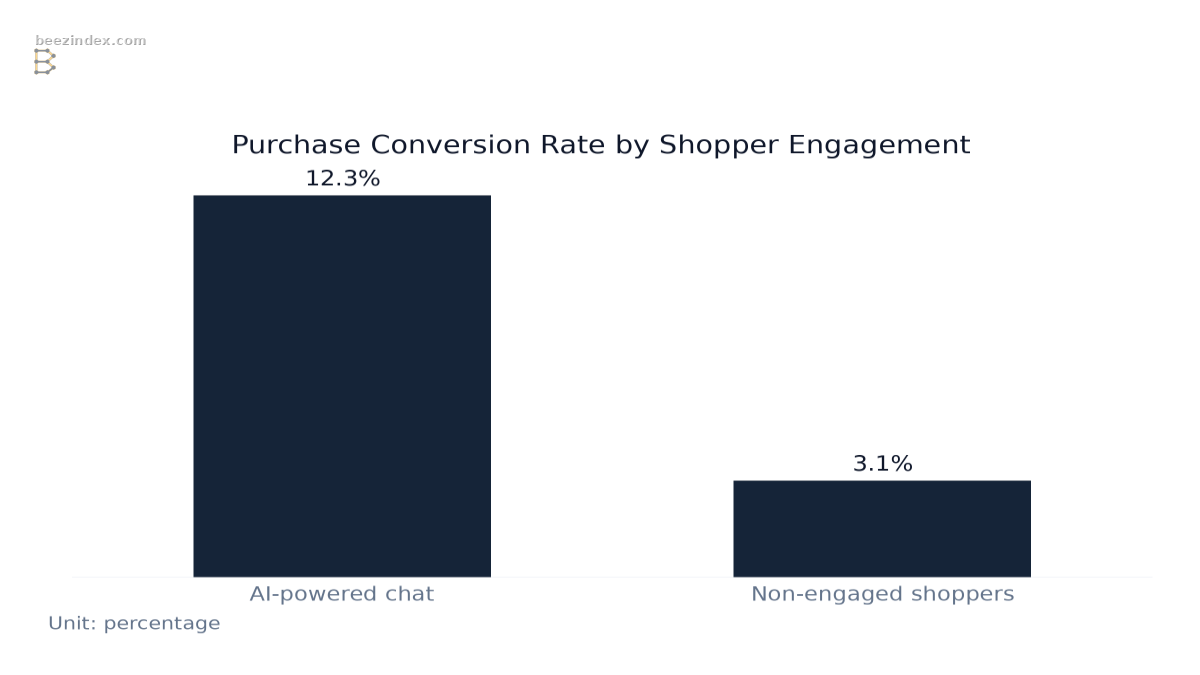
Conversational commerce tools allow online merchants to interact directly with website shoppers through automated messaging. Public scripts show clear differences between real automated assistants and basic static forms. Analysts verify operational readiness by testing live responses against inventory endpoints and checking script activity. Real conversational systems deliver direct revenue impact, and industry data shows that AI-powered chat achieves a 12.3% purchase conversion rate compared to 3.1% for non-engaged shoppers.[3] Teams researching uk business data examine script headers to confirm live third-party connections before major sales campaigns begin.
Store managers connect these messaging tools directly to product catalogs and order databases. This direct data link allows the chat system to answer shipping questions without human help. However, stores that use broken integrations fail to provide real-time updates and push customers to voice queues. Research indicates that 67% of UK shoppers expect customer support responses within two hours.[2] Retailers without working conversational systems suffer high cart abandonment rates during peak volume periods.
Purchase Conversion Rate by Shopper Engagement
RCS Detection Across Modern Retail Frontends
RCS detection requires monitoring specific mobile communication endpoints and web registration tags across online stores. Modern mobile carriers support Rich Communication Services to replace standard text messaging with interactive media. Retailers configure DNS records and web manifest files to verify their sender brand identities across telecom networks. The global active RCS user base is projected to reach 3.8 billion by the end of 2026.[1] Failure to register correct carrier certificates prevents businesses from sending interactive product carousels to shoppers.
Public web signals reveal these backend mobile integrations before promotional campaigns launch. Retailers place verification tokens within root directories to authenticate sender profiles on mobile operating systems. Apple added support for this messaging standard in recent software updates, which accelerated retail adoption across Britain.[1] Marketing teams select this channel because it delivers verified brand logos and secure sender checkmarks directly into native mobile inboxes. Without proper cryptographic signatures, carrier filters block promotional cards and route traffic through standard SMS routes.
Evaluating AI Chat Widgets for Peak Trading
AI chat widgets operate as front-of-house automated assistants that resolve routine customer requests during high-volume periods. Technical researchers check page document models to confirm whether a widget loads an active natural language processing engine. Store developers connect customer service automation to cut operating costs, and industry benchmarks show that advanced voice automation can reduce the cost per customer resolution by 50% to 80%.[2] Technical teams study public code signals to improve shopify email performance alongside direct on-site customer engagement channels.
Operational support desks encounter high volumes of basic shipping requests during November promotions. Automated systems handle these common order questions so staff can focus on complicated fulfillment exceptions. Research shows that conversational AI platforms are capable of automating 40% to 60% of routine customer queries. However, poorly trained chat assistants provide incorrect return instructions and create customer frustration. Successful retail teams calibrate their customer helpdesk workflows four to six weeks before peak traffic begins.[2]
Resolution Cost Reduction via Voice Automation

Distinguishing Live Deployments From Abandoned Scripts
Ghost scripts remain common on ecommerce websites after marketing teams finish temporary summer trials. Technical analysts inspect network payloads to determine whether an on-page assistant connects to a live server. Dead script tags load empty container scripts that consume browser memory without offering functional chat dialogs.
Storefronts often display visual chat buttons even when underlying subscription accounts expire. Unmonitored widgets lead users into dead-end conversation flows that damage brand credibility during peak sales events. Outdated user interface elements frustrate active shoppers.
Proper verification demands dynamic script checks across multiple category pages. Obsolete code fragments slow page rendering times by hundreds of milliseconds. Retailers risk losing impatient holiday buyers when page render speeds drop significantly.
RCS Rich Cards and Delivery Notifications
Retailers build RCS rich cards to display interactive order updates and product catalogs inside phone messaging apps. These cards include action buttons that let buyers track parcel locations or purchase related items with one click. Marketing teams measure superior results from rich formats, and brands using RCS rich cards report 60% to 70% higher conversion rates compared to MMS.[1] Retailers configure these notification templates ahead of major shopping events while planning uk retail tech upgrades across core systems.
Telecom operators charge different rates depending on whether an interaction uses rich cards or standard text. Conversational RCS messages are typically priced at roughly twice the cost of a standard SMS.[1] However, brands achieve overall savings because rich cards generate higher engagement per delivered alert. Technical researchers spot these integrations by identifying specific vendor tracking libraries within website checkout scripts. Checkout pipelines that lack verified carrier connectors must rely on traditional fallback channels that offer lower engagement.
Conversion Lift of RCS Rich Cards vs MMS

Peak Season Readiness and Code Freezes
As the peak season approaches, engineering teams must shift focus from deployment to stability to ensure peak season readiness.
British retail engineering teams impose strict code freezes starting in late October. Developers lock production environments to prevent platform crashes during high-traffic shopping weekends. Retailers complete AI deployment by September to ensure operational readiness for Black Friday while maintaining stable platform infrastructure.
Testing conversational software after mid-October creates severe operational stability risks. Companies require four weeks of live user traffic to identify software edge cases and train models effectively before peak season.
Unprepared merchants attempt late software adjustments during live holiday traffic. Rushed software launches lead to database connection errors and broken checkout funnels. Stable retailers freeze their technology setups weeks before promotional campaigns launch to protect revenue.
Tracking UK Retail Technology Adoption Patterns
Tracking UK retail technology adoption patterns helps analysts evaluate which merchants possess mature operational infrastructure. Market research groups assess public web properties to discover which third-party commerce software brands use before the holiday quarter while analysts examine website scripts to avoid common filtering errors and identify verified commercial players. Retailers that adopt advanced chat tools early show higher readiness for customer service surges during peak promotional dates.
Corporate software deployments follow predictable seasonal calendars across British commercial sectors. Growing merchants upgrade their customer communication tools during the late summer months to prepare for autumn sales while smaller operations run entry-level conversational AI solutions for SMEs that start under £50 per month. Identifying these active software tools on public storefronts provides clear evidence of commercial investment that helps businesses resolve fulfillment problems faster.
Technographic Analysis of British Retail Infrastructure
To gain a deeper understanding of your market, analysts often employ technographic analysis to map the digital landscape.
Technographic research examines website technology by scanning front-end code for visible software libraries. Analysts study JavaScript bundles to identify CRM platforms, payment gateways, and automated support widgets. This systematic examination extracts observable web intelligence directly from publicly accessible company storefronts across various sectors.
BeezIndex tracks these storefront changes across the UK market by connecting observable web data with verified business records. The platform allows researchers to monitor digital technology adoption patterns and evaluate holiday readiness across thousands of domestic merchants seeking competitive advantages.
Retail teams build competitive advantages when they track competitor technology adoption before major sales events begin. Fresh web signals show when competing brands install high-capacity messaging tools or replace legacy live chat scripts to reveal market readiness.
Key Indicators for Seasonal Verification
By synthesizing the data points discussed, stakeholders can identify meaningful changes in retailer infrastructure.
Online retailers that invest in verified conversational tools achieve higher customer retention during extreme trading volumes. Tracking RCS endpoints and active AI chat widgets provides clear proof of technical maturity and seasonal operational preparation. Companies that complete these integrations early protect their checkout conversions, while Infobip reported a 311% global increase in RCS traffic on its platform in 2025.
Market researchers and sales professionals should audit retailer web properties before annual code freezes take effect in late October. Confirm active endpoint connections and inspect network payload requests to verify real customer support automation. Use structured web data to monitor merchant technical stacks and make informed business choices ahead of holiday demand while maintaining a strategic market advantage.
Frequently Asked Questions
When do UK retailers typically complete peak season chat integrations?
Most retailers finalize chat and messaging deployments by late September or early October. This schedule allows four to six weeks of testing before annual code freezes take effect.
How can an analyst detect RCS messaging capabilities on a retail website?
Analysts inspect website source code for verified carrier manifest links and mobile registration scripts. The presence of carrier verification tokens confirms active RCS business messaging channels.
What separates an active AI chat widget from an inactive test script?
Active widgets establish continuous network connections to live API servers and return dynamic product responses. Inactive scripts simply load static container files without sending server requests.
Start with a free search to explore UK company data, then upgrade your plan to access advanced technographic monitoring and market intelligence tools.
Discover UK Retail Technology Trends