
Sep 16, 2026
Read in: English (United Kingdom)
How to Find UK Companies by Tech Stack
Sales teams reduce research time and increase conversion rates by 34% when they find companies by tech stack. This method replaces vague industry codes with verifiable digital evidence. You identify qualified UK prospects by filtering for live ecommerce platforms, marketing automation tools, and payment gateways present on their public websites.

Public company websites reveal the exact digital tools that British businesses use every single day. Modern commercial teams use this digital footprint to build precise prospect lists instead of guessing with broad industry codes. You save hours of manual research when you filter UK businesses by their live ecommerce platforms, analytics scripts, and frameworks. Concrete technology filters connect your services directly to companies with verified operational needs. Clear evidence from public web code helps you identify qualified commercial opportunities with high confidence.
What It Means to Find Companies by Technology Stack
Technographic data UK searches allow commercial teams to identify businesses by analyzing observable web intelligence rather than static corporate directories. Traditional industry filters rely on self-reported classifications that rarely explain how an enterprise operates daily. You can discover uk tech stacks by looking at public website scripts, payment gateways, and content systems. This method produces concrete evidence about technical feasibility and operational infrastructure. Unverified directories often produce poor prospect lists because 73% of B2B buyers avoid irrelevant outreach from sales reps.[2]
Targeting UK companies by technology establishes verified intelligence that proves commercial compatibility before manual qualification begins. Front-end frameworks and checkout providers leave clear digital markers indicating true technical maturity. Manual directory checks waste valuable staff time because sales professionals spend approximately 9% of their workweek researching prospects without finding relevant technical fit.
Key Takeaways
- The UK market contains roughly 1.1 million ecommerce websites with identifiable public software tools.
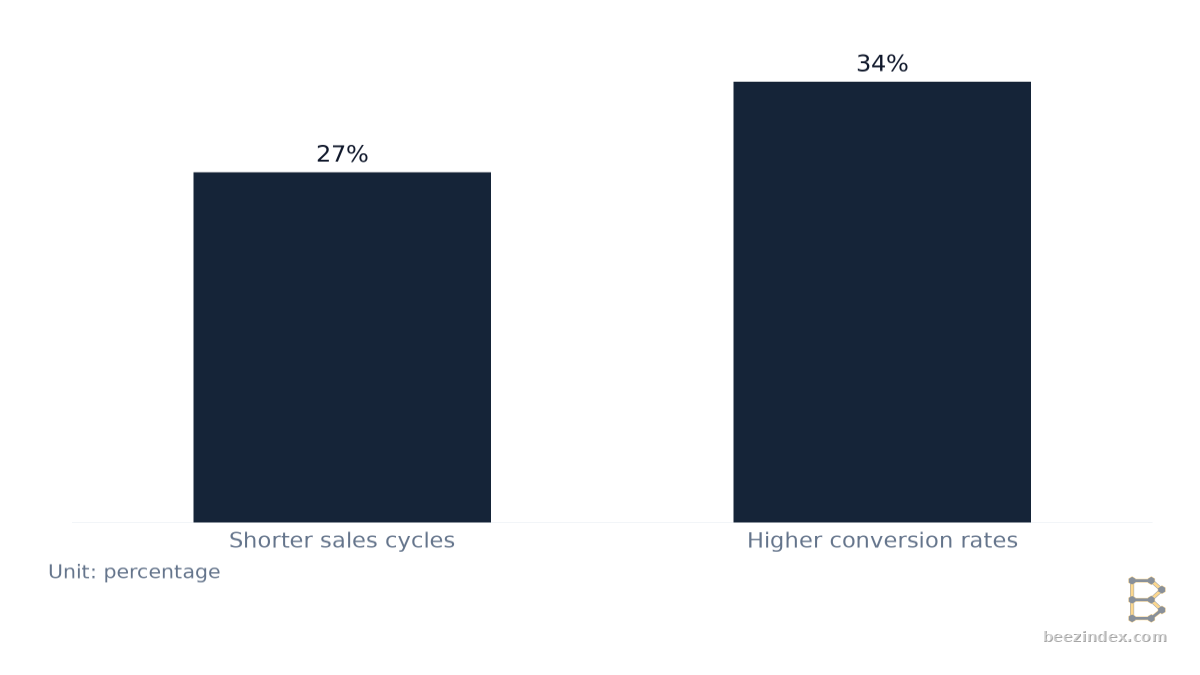
- Sales teams using tech stack data report 27% shorter sales cycles and higher conversions.
- Public website scripts provide objective evidence of company tooling, active budgets, and operational capability.
- Multi-filter searches combining ecommerce platforms, marketing tools, and payment systems identify ideal commercial fits.
- Regular data verification protects outreach lists from outdated installations and ensures strict compliance standards.
Practical Tech Stack Searches for UK Companies
Pairing WordPress and WooCommerce identifies independent British retailers and direct-to-consumer brands that manage their own digital storefronts. These businesses usually operate internal marketing teams but require external technical support for custom checkout extensions, hosting speed, and site security. Identifying companies using specific technologies like Shopify paired with Klaviyo highlights mature ecommerce merchants that invest heavily in automated customer retention campaigns. Many online retailers still neglect basic tools because 59% of ecommerce stores lack an email marketing application entirely.[1]
Searching for React combined with Tailwind CSS pinpoints modern product-led software businesses and fast-growing technology scale-ups across the United Kingdom. Targeting HubSpot alongside Google Analytics reveals corporate departments that invest serious budget into inbound lead generation. Filtering for payment systems like Stripe, GoCardless, or Klarna identifies merchants supporting modern transaction methods and flexible customer financing.
Which Filters Shape a Technology-Stack Search
Technology stack filtering allows researchers to segment prospect accounts based on software categories or named vendors. Smart commercial teams use a smarter research tool to combine parameters like requiring both an ecommerce engine and a marketing automation script. Narrowing filters too early limits your total addressable market across smaller British regional hubs.
Firmographic constraints refine technology lists by adding registered office locations, employee headcounts, and annual revenue thresholds to technical queries. A vendor targeting mid-market British retailers might filter for UK companies by technology running Salesforce Commerce Cloud with at least fifty staff members. Applying a ninety-day observation window confirms that target websites actively load required libraries.
Building a Repeatable Tech-Stack Search Workflow
- Define Ideal Customer Requirements
Establish your ideal customer profile by documenting the exact software platforms your product supports. Clarify whether your team needs prospects using competitor tools or complementary systems before setting query rules. - Select Core Technology Combinations
Choose primary and secondary software signals within your prospecting platform. Combine complementary tools like Shopify plus Klaviyo or apply negative filters to exclude accounts already using your software. - Apply Firmographic and Regional Filters
Narrow raw domain results by setting strict geographic boundaries for England, Scotland, Wales, or Northern Ireland. Add employee headcount and revenue brackets to match your target operational size. - Set Data Freshness Parameters
Filter results using an observation window between thirty and sixty days to guarantee script activity. Fresh verification prevents your team from contacting businesses that recently migrated away from target systems. - Validate Entity and Domain Connections
Confirm that discovered website domains resolve to active registered British corporate entities at Companies House. Matching public web properties to legal business entities prevents costly misdirection in corporate outreach. - Export and Monitor Target Records
Move validated company profiles into your customer relationship management system for structured sales sequences. Configure automated alerts to track whenever target firms add or remove relevant website tools.
Why Sales Teams Build Prospecting Lists from Tech Stack Signals
Sales teams utilizing tech stack data report 27% shorter sales cycles and 34% higher conversion rates. Technographic signals show live software adoption, confirmed departmental budget, and immediate technical feasibility. Generic sector lists hide these operational realities behind broad codes that fail to indicate digital readiness.
Technology stack segmentation prioritizes a company's software and infrastructure choices over traditional firmographic data like revenue or size.[1] Account executives waste less time qualifying leads when they verify that prospect systems integrate with their products. Relevant technical outreach keeps prospect engagement high across competitive markets.
Business development representatives dedicate significant portions of their workweek to lead prioritization before initiating discovery calls. Pre-call research becomes more efficient when representatives review existing web scripts to spot customer friction points and operational gaps.
Impact of Tech Stack Data on Sales Performance
Who Benefits: Agencies, Software Vendors and Market Researchers
Specialist digital agencies use technographic filters to locate businesses operating on platforms that match their core technical services. A development agency focusing on complex Magento builds can identify UK businesses by technology to find outdated installations requiring system upgrades. Knowing the exact tools a merchant uses allows an agency to present relevant migration proposals instead of generic pitch decks. Teams evaluating b2b data platforms look for deep coverage of regional enterprises across the British market to uncover high-value opportunities.[2]
Software vendors search technographic records to execute competitive displacement campaigns against rival products and identify complementary integration partners. Discovering that a prospect already uses Stripe makes offering a specialized billing extension much simpler. Market researchers analyze technology adoption across British regions to measure digital transformation rates without relying on slow annual surveys.
Checklist: Validating a UK Tech-Stack List Before Outreach
- Confirm the target website script was detected within the last sixty days
- Verify that target domains map to active registered UK corporate entities
- Check that the primary ecommerce or content platform matches your service offering
- Ensure the company operates within your preferred UK geographic region or nation
- Validate employee headcount against Companies House filings to confirm company scale
- Check that direct marketing outreach establishes a lawful basis under UK GDPR
- Ensure commercial communications strictly comply with British PECR electronic marketing rules
From Raw Matches to a Defensible Shortlist
Raw technology detections provide valuable market signals, but commercial teams must validate every record before committing sales resources. Analysts must examine evidence and freshness indicators to verify that identified technology actively processes data on the target domain. BeezIndex prioritises matching confidence by linking public website signals directly to verified British corporate registry records.
Clean prospecting lists require connecting digital website footprints to legal corporate entities with high confidence. Modern revenue teams start with free searches to explore company data across diverse regional sectors. Filtering prospect lists by verified operational evidence protects sales productivity and ensures every outbound conversation addresses genuine commercial requirements.
Industry and Location Filters Versus Technology Signals
Traditional prospecting strategies rely almost entirely on Standard Industrial Classification codes and physical postcode boundaries to build target lists. These government classifications group wildly different businesses together under vague umbrella categories that reveal nothing about daily operational workflows. Two companies in the same business park with identical sector codes often run completely different software environments.
Technology filtering pinpoints operational readiness by analyzing real infrastructure choices. Knowing that a company uses React, Shopify, or HubSpot reveals actual digital investment, internal skills, and technical capability. Sales professionals identify better sales prospects when they look at digital infrastructure instead of relying only on geographic postcodes.[3]
Location and sector filters offer practical value when commercial teams use them as secondary constraints alongside technical signals. Combining technographic evidence with firmographic filters creates focused account lists that produce higher conversion rates.
Tracking Meaningful Changes in UK Technology Stacks
A static list of technology installations becomes outdated quickly as British businesses regularly upgrade their digital tools and commercial platforms. Over 60% of business-to-business software purchases represent replacement decisions rather than initial category adoptions. Identifying when a firm removes an older software script allows agile competitors to propose replacement systems at the exact moment of dissatisfaction.
Monitoring technographic change events provides earlier indicators of commercial intent than waiting for formal funding announcements or job listings. Tracking these digital infrastructure shifts helps commercial teams deliver timely proposals that match active business transitions. Consistent web monitoring ensures your revenue team engages qualified accounts right when technical budgets become available.
Key Points to Remember
Filtering UK companies by tech stack transforms cold business prospecting into evidence-backed outreach tailored to actual operational requirements. Teams that qualify accounts using observable software tools eliminate wasted research time and target businesses with proven infrastructure needs.
Sales representatives often find that administrative tasks consume the majority of their day, leaving little time for direct selling. Technographic filters shorten sales cycles and improve outreach response rates, ensuring that outbound messages respect the prospect's time.
Start your technical prospecting workflow by defining the exact software combinations that signal an ideal commercial fit for your business. Layer regional and size filters over your technology queries, verify legal corporate identities, and monitor target domains for meaningful operational changes online.
Frequently Asked Questions
How many technology filters should I apply in one search?
Start with two complementary technology filters to keep your prospect pool focused without over-narrowing your market. Requiring more than three specific software tools often shrinks British SME search results down to single digits. Test your query on a regional level before adding extra operational constraints.
How fresh does UK technographic data need to be for sales outreach?
Target data observed within the last thirty to sixty days to guarantee that the company still runs the software. Web infrastructure changes rapidly, and older databases often list legacy tools that companies removed months ago. Fresh observations prevent embarrassing outreach mistakes that damage sales credibility.
Can I combine tech stack filters with hiring and headcount data?
Yes, combining software signals with active job postings creates an accurate indicator of commercial expansion. A company running enterprise ecommerce that is also recruiting developers represents an account with active project budget. Multi-variable qualification delivers significantly higher conversion rates than single-signal lists.
Which website technologies are easiest to detect and verify?
Front-end frameworks, ecommerce engines, and public marketing tags are the easiest systems to detect reliably on public domains. Backend databases and custom internal enterprise software remain hidden behind corporate firewalls and require indirect verification signals. Focus your prospecting searches on client-facing web libraries for the highest matching accuracy.
Do I need to follow specific UK regulations when contacting these companies?
Outbound commercial outreach to UK businesses must comply with the Privacy and Electronic Communications Regulations and UK GDPR standards. You must establish a valid lawful basis such as legitimate interest and offer clear opt-out mechanisms in all direct communications. Maintaining accurate corporate data helps you meet statutory British compliance standards.
How does tech stack prospecting help web development agencies?
Agencies find businesses running legacy versions of platforms like WooCommerce or Magento that need technical migrations or performance optimization. Pitching specific platform upgrades is much more effective than sending generic proposals about building websites. Demonstrating knowledge of a prospect's existing software stack builds immediate commercial trust.
Start with a free search to explore UK company data, then upgrade your plan to unlock advanced monitoring features and shared intelligence tools for your team.
Find UK Companies by Tech Stack Today