
Sep 11, 2026
Blend hiring activity and technology stack signals to qualify UK leads
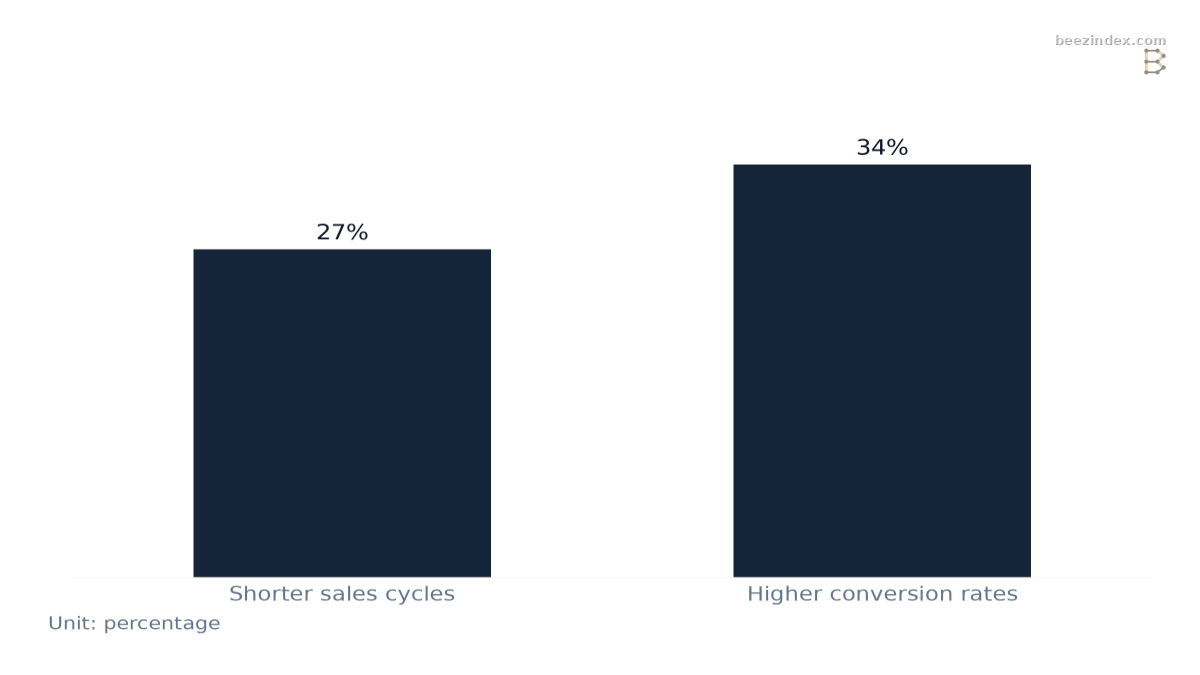
Sales teams reduce sales cycles by 27% and increase conversion rates by 34% by combining hiring signals with website technology choices. This approach identifies UK prospects with active purchase intent by monitoring job postings and software stacks. Revenue teams move past static data to target companies with confirmed operational growth.

Sales teams waste hours chasing accounts that lack budget, urgency, or digital infrastructure. You can stop guessing account readiness by blending live recruitment data with confirmed software choices on business websites. Modern sales intelligence connects corporate filings to outward digital behavior so you contact buyers at the right moment. Outdated directories show static company sizes, but real buying intent shows up in active job postings and changing website scripts. The data reveals clear patterns that separate passive browsers from active spenders across the United Kingdom.
Technographic Data and Growth Signals
Lead qualification improves when revenue teams examine software choices directly on company domains. Technographic data tracks software and hardware infrastructure to provide clear insights into everyday business operations.[1] Sales teams identify accounts ready for new tools by studying software footprints, content systems, and digital scripts. Companies that combine these digital indicators with corporate records uncover actual operational maturity instead of relying on self-reported estimates. Researching software dependencies before committing outreach resources provides better ways to research and ensures higher efficiency.
Mid-market firms maintain deep application ecosystems to support commercial expansion. The average mid-market company operates approximately 255 applications to handle customer management, financial records, and web operations.[1] Sales teams that monitor these integrations can spot gaps in security, pipeline operations, or cloud infrastructure. When research isolates businesses using competitor tools, sales reps position migration offers with relevant timing. Marketing campaigns generate higher engagement because sellers address the exact operational stack of each target business.
UK Hiring Shifts Signal Real Intent
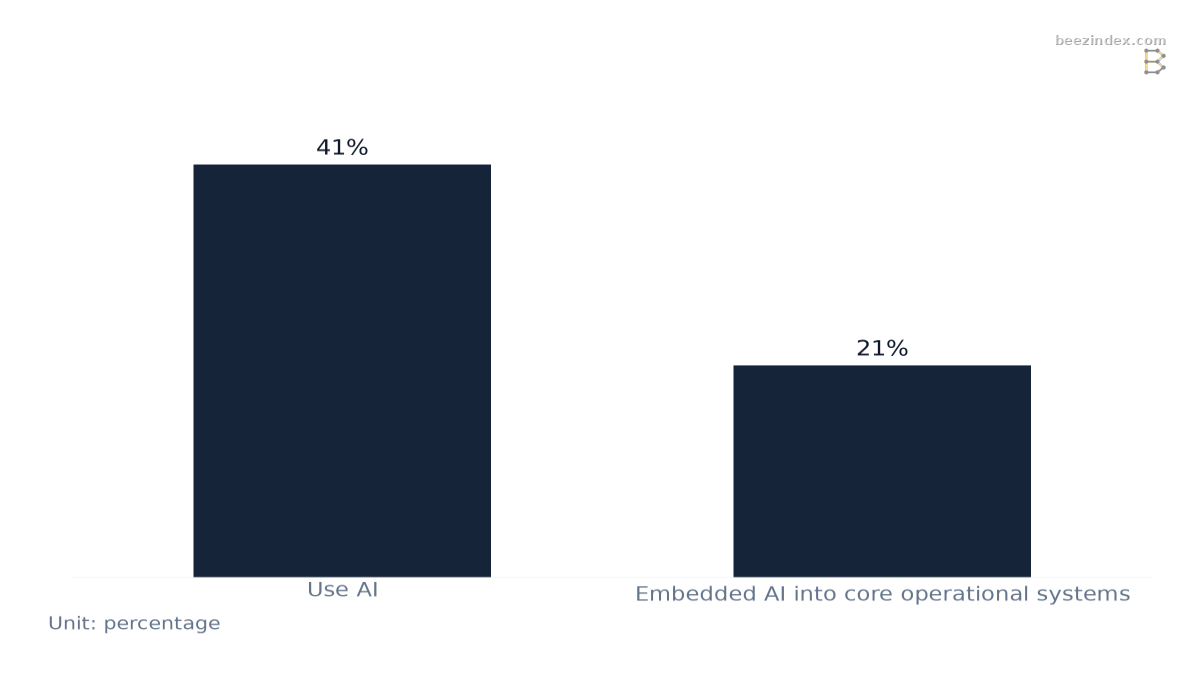
Recruitment activity provides concrete evidence of company expansion and operational budget when projects expand or teams restructure. Recent industry findings show that 41% of UK businesses use AI, but only 21% have successfully embedded it into core operational systems. Commercial sellers track open engineering and analytics roles to identify organisations actively attempting this operational transition.
British businesses refine their recruitment criteria to focus on measurable employee capability. Sourced research confirms that 85% of UK employers now utilize skills-based hiring methods to secure technical talent.[2] In addition, 39% of UK businesses report plans to expand their IT and technology teams to modernise digital operations. Recruiters post vacancy advertisements that outline exact tools, programming frameworks, and platforms required for each job. Sales professionals extract these listed proficiencies to understand software procurement plans weeks before public announcements occur.
AI Adoption vs System Embedding in UK
Sales Intelligence Improves Prospect Scoring
Prospect scoring gains precision when teams combine verified company-to-website intelligence with labour signals. Modern revenue operations move past raw company headcounts by analyzing active engineering hires alongside live website tags. Our investigation confirms that sales teams utilizing tech stack data report 27% shorter sales cycles and 34% higher conversion rates.[1] Teams track employment indicators like application tracking system deployments to spot firms preparing for head-count expansion. This structured evaluation helps account executives bypass inactive firms and focus energy on active commercial spenders.
Growing companies post job descriptions that reveal internal systems, cloud choices, and current bottlenecks for business development representatives to analyze. A vacancy for a data specialist running custom pipelines signals clear technical sophistication and budget allocation. Revenue teams verify these signals against live website analytics to confirm enterprise budget commitments.
Impact of Tech Stack Data on Sales
Build a Business Intelligence Layer
Modern revenue operations require unified data architecture to score potential buyers effectively. Outdated contact lists fail because static records mask real company momentum and digital investments. Revenue operations create a business-level intelligence layer by merging hiring trends with observable web technologies to track active commercial growth effectively.
Corporate registries track company names, but outward digital activity shows true economic intent. High-growth private enterprises avoid generic automation and rely on deep data orchestration tools to monitor web changes. BeezIndex Ltd tracks these public web movements to deliver verified operational context for British B2B sellers.
To begin this process, businesses initiate investigations through free searches before adopting advanced data tracking features for market monitoring. This rigorous screening stops reps from wasting time on businesses with incompatible technical foundations.
Measuring the Return on Analysis
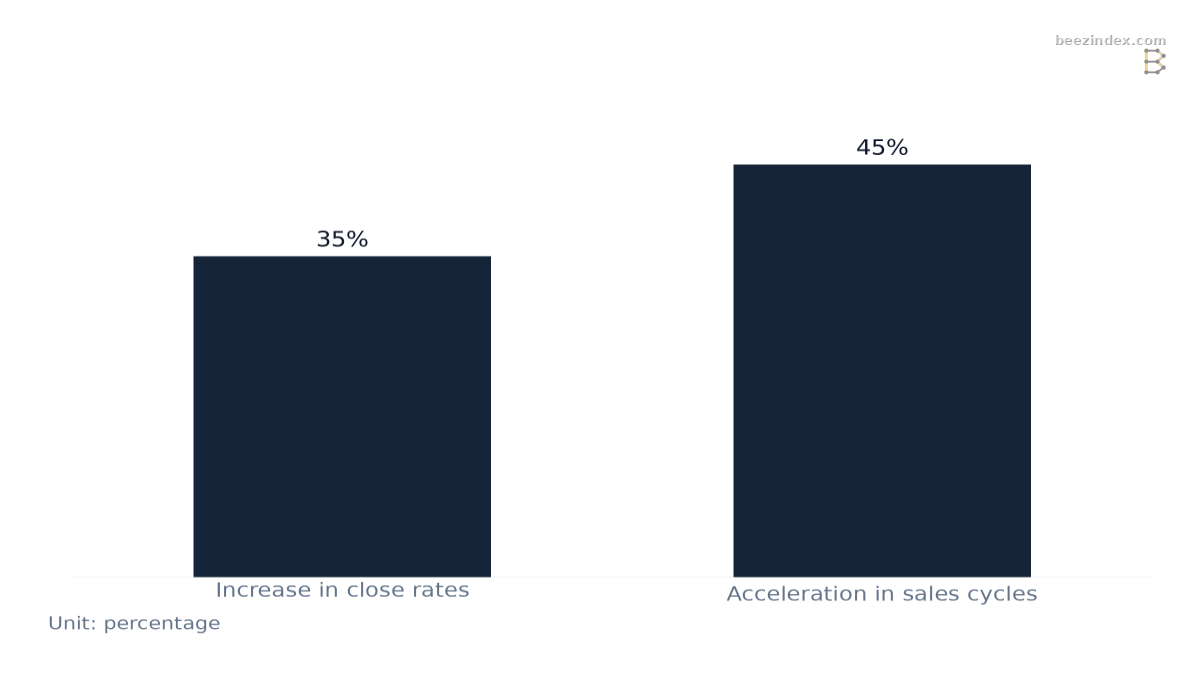
Tech stack analysis delivers measurable returns across commercial sales organisations in the United Kingdom. Sales intelligence platforms consolidate website technologies, live scripts, and employee growth rates into actionable opportunity scores. Industry figures prove that effective sales intelligence stacks increase close rates by 35% and accelerate sales cycles by 45%. Teams identify high-converting accounts early, reducing wasted prospecting hours and protecting sales pipeline value. Commercial teams discover uk tech stacks to confirm software compatibility before launching outbound business development campaigns.
Enterprise buying patterns show heavy reliance on replacement software and infrastructure upgrades. Market data indicates that over 60% of B2B software purchases are replacement buys rather than initial adoptions.[1] When sales reps spot outdated systems or legacy web platforms, they introduce modern alternatives at opportune commercial moments. Businesses updating their data pipelines reveal clear readiness to evaluate faster cloud solutions. Data analysis pinpoints these exact inflection windows to maximise outbound response rates.
Sales Performance Gains from Sales Intelligence
Monitor Meaningful Operational Changes Online
Web assets continuously reflect internal shifts, operational upgrades, and technology pivots across modern enterprises. Companies add tracking pixels, update customer portals, and publish job vacancies directly on public subdomains. Sales organisations keep research connected to what is observable online to catch expanding commercial accounts early.
Static database records grow stale within ninety days as businesses alter software configurations or restructure teams. Sales specialists monitor meaningful changes across company domains to engage accounts when interest and budget align.
Fast-growing organisations standardise internal procedures and eliminate manual research bottlenecks across outbound prospecting workflows. Outbound representatives review code libraries, payment providers, and live careers pages to qualify leads before calling executives. Such operational discipline protects brand reputation and drives higher sales conversion across every outreach tier.
Maintain Freshness and Data Confidence
High-performing revenue engines rely on clean data verification to identify qualified enterprise buyers. Sales leaders maintain evidence and freshness indicators in prospect lists to understand your market with complete clarity. Outbound databases fail quickly unless engineers refresh technographic and hiring indicators on a monthly cycle. Commercial analysts inspect the business index behind every web property to connect company registrations with actual commercial footprints. This validation prioritises matching confidence so account executives contact verified operating entities rather than shell companies.
Market analysts verify public corporate records alongside live domain data to prevent misdirected sales outreach. High-growth organisations combine corporate filings with observable website technologies to build complete commercial profiles. Research shows that 65% of high-growth B2B companies use Clay for data orchestration to connect distributed data sources.[3] Modern GTM teams build reliable lead pipelines by filtering out inactive domains and discontinued business operations. This disciplined vetting ensures that sales teams invest outbound resources only in genuine commercial opportunities.
What to Remember
Lead qualification delivers the highest returns when sales operations combine hiring momentum with verifiable technology stack data. Sourced data shows sales teams report 27% shorter sales cycles and 34% higher conversion rates when using tech signals. Relying exclusively on company size or industry tags leads to generic outreach and missed revenue targets. In contrast, examining live software deployments alongside active IT job openings reveals accounts with genuine purchase intent.
Sales leaders connect their outbound qualification workflows to verifiable digital indicators and fresh hiring data. Auditing current prospect scoring scorecards to weight confirmed website software alongside active role vacancies provides a foundation for success. This practical change focuses commercial resources on responsive UK businesses with established budgets and clear growth needs while eliminating unqualified pipeline waste.
Frequently Asked Questions
How often should sales teams update company technographic data?
Teams should refresh technographic records at least every thirty days to avoid targeting companies with discontinued tools. Monthly validation maintains accuracy because mid-market firms frequently swap software integrations and testing scripts.
Why do hiring signals serve as reliable indicators of software purchases?
Job openings reveal active corporate projects, specific tool requirements, and confirmed executive budgets before public press announcements. Companies hiring specialized engineers often purchase accompanying software platforms within three to six months.
What tools reveal the technology stack of a company website?
Domain scanners and web scrapers inspect DNS records, public page code, and live tracking scripts to detect installed platforms. Specialized sales intelligence platforms map these script detections directly to verified company profiles.
How does skills-based hiring in the UK change prospect qualification?
UK employers now outline exact technical proficiencies and software platforms in job posts rather than relying on general degree credentials. Sales researchers inspect these specific capability requirements to gauge technical maturity and product fit.
Can small sales teams implement signal-based qualification without large budgets?
Small teams can review public careers pages and run browser-based code inspection tools to verify target stacks manually. Automating this signal collection with dedicated intelligence databases saves significant research hours as target account lists expand.
Explore live hiring activity and technology stacks for UK companies. Start your first free search to reveal active accounts ready for your solution.
Start Your Free UK Company Search