
Oct 6, 2026
Read in: English (United Kingdom)
Build a UK Prospect List from Your Closed-Won Tech Fingerprint
Sales teams increase MQL-to-SQL conversion rates to 40% by building UK prospect lists from closed-won tech fingerprints. This guide explains how to isolate high-value software stacks from successful deals, filter out common commodity tools, and verify active API connections to ensure high-quality outbound lead generation in 2026.

Sales teams often target lookalike accounts using broad industry codes, yet these campaigns produce low conversion numbers. You can secure four times higher response rates by building prospect lists from the exact software stacks of your best British clients. Your closed-won deals leave clear digital footprints that reveal ready buyers across the UK market. Many outbound teams waste valuable budget because common tools like free plugins create false matches across unrelated websites. The following data reveals how to isolate high-value software combinations and clean out misleading technical signals.
Analyze Won Deals for Tech Signals
A closed-won tech fingerprint reveals the exact software environment that makes an enterprise buyer ready to purchase your core B2B services. Sales teams extract this customer technology profile from recent successful contracts to locate firms requiring site upgrades across the domestic market. Top-performing companies achieve an MQL-to-SQL conversion rate of 39-40% when they anchor outreach to verified technical signals and robust corporate data sources.[2]
Revenue leaders audit CRM data to isolate recurring software layers across closed accounts. By cataloging platforms, payment gateways, and marketing automation software, teams distinguish real buying triggers from random web scripts. Marketing departments prioritize these verified technical combinations because targeted accounts move through qualification stages much faster than generic directory leads. Technologists validate these software instances by scanning public web endpoints for specific tracking elements and active API connections weekly.
MQL-to-SQL Conversion Rate for Top-Performing Companies

Build Your Customer Technology Profile
Once you have identified the core platforms in your won deals, you must build a structured profile to guide your search. Customer technology profiles connect specific operational tools directly to completed commercial contracts. Revenue operations teams export software tags from thirty won deals to detect shared operational components. Weak signals appear when teams review single installations without checking broader infrastructure layers.
Sales teams categorize recorded applications into core enterprise platforms, niche extensions, and external marketing scripts. Technographic databases track software at the domain level, so teams link company domains to exact tools. Analysts assign confidence scores to each detected tool to remove temporary testing scripts from core records.
Modern B2B buying groups contain six to ten stakeholders who evaluate solutions independently before contacting sellers.[1] Teams check server configurations and backend frameworks because custom development indicates higher spending capacity across competitive enterprise markets. Accounts matching these technical requirements enter the primary sales pipeline with verified commercial value.
Filter Common Shared Web Tools
Shared tools analysis prevents outbound reps from pursuing unqualified lookalikes that only share free, commodity tracking tags. Many British websites load free tag managers or basic analytics plugins without running active commercial software stacks. Contact data accuracy can be improved from 75% to over 95% using top-tier prospecting tools to verify active setups.[1] Revenue teams execute deep infrastructure scans to filter out dormant domains before adding new companies to active outbound cadences.
Outbound specialists build targeted business databases by combining core enterprise platforms with specific commercial payment integrations. Commodity tools like basic WordPress installations create broad lists, but pairing them with custom checkout software filters out dormant domains. Sales engineers test live API responses to ensure candidate accounts actively run the target software profile. Technical audits confirm that selected companies maintain active subscription contracts for every detected application before sales reps initiate contact.
Contact Data Accuracy With Top-Tier Prospecting Tools

Detect False Positives in Stacks
Public web data often contains noise, as developers frequently leave orphan code snippets on inactive customer domains. Automated crawlers might identify script headers even when businesses cancel subscriptions or abandon previous tools. To counter this, outbound teams verify dynamic API calls and form handlers to confirm genuine operational use. Engineers inspect live network traffic patterns to separate active enterprise platforms from outdated software components lingering on legacy landing pages.
Technical analysts inspect network payloads to observe active communication between websites and target software servers. A genuine enterprise setup displays active tracking pixels, structured cookies, and connected customer relationship management endpoints. Websites displaying legacy tracking scripts without recent network traffic fail validation checks and drop off outbound prospect lists. Security teams validate these digital footprints to ensure that target accounts maintain active software investments before launching personalized outreach campaigns.
Segment UK Companies by Stack
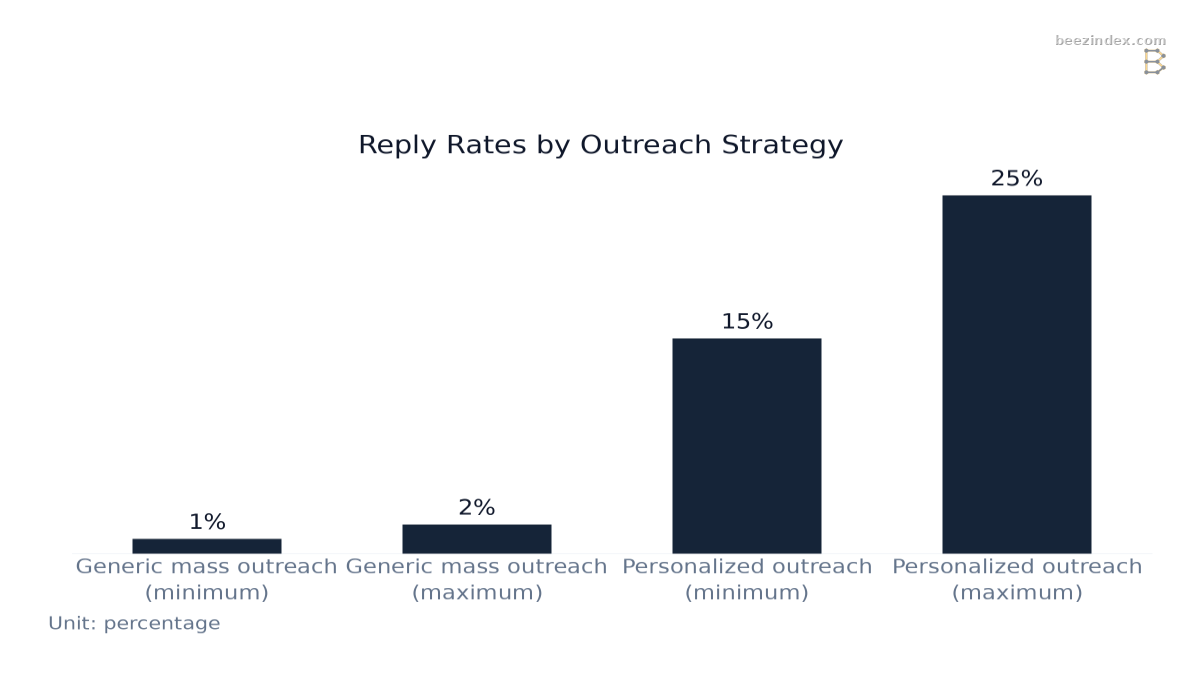
Effective uk prospect segmentation combines verified software usage with domestic firmographic filters like Companies House registration details. Generic mass outreach yields 1-2% reply rates, whereas personalized outreach reaches 15-25% when targeting verified stacks.[1] Structured segment rules enable commercial teams to develop precise market segments for localized outbound campaigns. Revenue analysts cross-reference technographic data with recent funding rounds to identify high-growth firms ready for immediate engagement.
Revenue teams apply boolean filtering logic across domain databases to link platforms, email software, and domestic sales revenue. Teams isolate British companies using specific enterprise ecommerce engines alongside high-volume shipping integrations to target ready buyers. Combining these technical attributes creates dense cohorts of commercial organisations with identical operational challenges. Analysts review these combined datasets to prioritize accounts showing high propensity for infrastructure upgrades and software migrations.
Reply Rates by Outreach Strategy
Map Lookalikes Across British Markets
The United Kingdom contains roughly 1.1 million online storefronts that maintain active web properties. Outbound teams scan these domains to locate matching technical footprints derived from earlier sales successes. Companies with identical software stacks face similar operational bottlenecks, which shortens standard enterprise sales conversations.
Prospecting platforms aggregate public website data to uncover active platforms and connected payment gateways. Commercial users begin with an open database search to evaluate candidate sectors before selecting live monitoring features. Verified records feed into existing CRM instances to maintain clean outbound prospect pipelines without manual scraping.
Teams track ongoing hiring indicators alongside technographic signals to capture expanding British enterprises. Companies hiring developers for specific systems signal upcoming platform migrations or substantial infrastructure projects. Outbound specialists present software audits during initial calls to show immediate relevance to commercial evaluators.
Execute UK Lookalike List Building
A successful uk lookalike list building campaign relies on fresh technical evidence rather than static industry classification codes. Outbound teams spot genuine hubspot implementations by inspecting active forms, custom stylesheets, and live server endpoints. Data decay degrades contact databases by 20% to 25% every single year without ongoing verification cycles.[1] Modern RevOps specialists deploy automated scraping tools to update corporate software records and maintain pristine list accuracy across all target accounts.
Outbound representatives design targeted message cadences that address the unique constraints of each detected technology combination. Reps point out known performance boundaries in current software setups to introduce specialized consulting services. This direct, technical approach positions your commercial agency as an authority before the prospect enters an official tender process. Sales professionals leverage these specific software insights to secure high-value executive meetings across competitive enterprise markets.
What to Remember
Modern revenue teams replace guesswork with observable web intelligence derived directly from closed-won client profiles. Grounding prospect databases in technical footprints lifts contact accuracy from 75% to over 95% while eliminating manual qualification work. Removing common commodity scripts ensures sales development teams spend valuable calling time on genuine enterprise buyers. Commercial leaders trust these verified data streams to drive predictable pipeline growth across domestic markets.
Outbound leaders typically refresh company software data every two weeks to capture live platform migrations across the British market. Connecting your CRM to a verified technographic data feed, removing low-signal tools, and launching targeted sequences against confirmed lookalike accounts creates a more efficient workflow. Automated data pipelines ensure your sales representatives always engage prospects using current technical intelligence and verified infrastructure profiles.
Frequently Asked Questions
What tools should I exclude from a technology fingerprint?
Exclude universal commodity tools such as free Google Analytics, basic social media sharing widgets, and standard WordPress themes. Focus instead on paid enterprise systems like premium CRMs, custom payment gateways, and specialized enterprise shipping connectors.
How often should our team refresh technographic data?
Refresh your database on a weekly or biweekly cadence because companies change tools and update site scripts frequently. Annual reviews leave up to 25% of your records outdated and introduce high bounce rates.
Are technographic prospecting campaigns compliant with UK GDPR?
Technographic indicators track public corporate domain assets rather than protected personal contact information. Outreach teams must still establish a legitimate business interest and provide a clear unsubscribe mechanism for all recipient corporate emails.
Run an initial search to inspect verified company technology profiles, then upgrade your account to monitor live technical changes across your target market.
Start Your Free UK Company Search