
Sep 14, 2026
Which Technographic Vendors Actually Cover UK SMEs?
Global technographic data vendors often miss UK SMEs because they crawl only the top million global sites. Our audit of five providers shows that local market depth, 30 to 60 day refresh cycles, and verified script execution matter more than total domain counts. Use these benchmarks to select a vendor that fits your budget and sales needs.

Choosing a technographic data vendor for UK SMEs often comes down to coverage quality, not brand size. Most international databases focus heavily on US corporate accounts and overlook smaller British trading companies that use regional payment tools and local web hosts. This comparison examines actual detection rates, refresh cycles, and pricing tiers across five providers so you can protect your sales budget.
Criteria for Comparing Technographic Data Vendors on UK SME Coverage
Revenue teams need technographic data vendors that provide reliable UK SME coverage rather than empty promises built on enterprise samples. Many commercial databases boast hundreds of millions of web domains, but their records thin out when you search for regional businesses. Finding qualified accounts requires modern teams to find business data faster through systematic vendor evaluation that measures exact match rates across local company registries.
A proper evaluation compares technology detection across front-end scripts, hosting infrastructure, and specialized business applications. Many generic vendors crawl only the top million global sites and ignore regional ecommerce platforms, accounting connectors, and British payment gateways. This blind spot produces high error rates and wastes sales development resources on ghost accounts that lack active digital stacks.
Technographic Vendor Comparison for UK SMEs
| Vendor | UK SME Coverage | Detection Model | Starting Cost | Best Fit Use Case |
|---|---|---|---|---|
| BeezIndex | High regional depth | Web crawling and registries | Accessible SaaS pricing | UK SME prospecting |
| BuiltWith | Broad domain volume | DNS and HTML scanning | £240 per month | Global web technology research |
| Wappalyzer | Moderate website depth | Browser and script detection | £205 per month | Ad-hoc developer lookups |
| ZoomInfo | High enterprise depth | Human research and scraping | £12,000 per year | Large outbound sales teams |
| Datanyze | Moderate company volume | Extension and domain scraping | £23 per user monthly | Entry-level prospecting workflows |
| Cognism | Strong phone coverage | B2B phone and tech enrichment | £1,000 per month | Compliant European phone outreach |
How We Assessed Accuracy, Freshness, and Cost Across Vendors
Our assessment tested five distinct data platforms against known samples of trading businesses across England, Scotland, Wales, and Northern Ireland. We matched each vendor index against verified company registries to determine whether the platform correctly identified active commercial operations. Teams using technographic targeting experience 28% higher conversion rates when underlying records match reality.[1]
We inspected observable web intelligence by analyzing how well each platform recognized regional ecommerce checkouts, localized analytics trackers, and content management systems. Web crawlers detect front-end scripts easily, but they often miss back-end systems like enterprise accounting tools. Reliable providers include clear evidence and freshness indicators to show the exact date when their spiders last crawled a target domain.
We audited cost structures to calculate total software ownership expenses. Many enterprise platforms require annual upfront commitments with hidden implementation fees. These rigid contracts strain growing revenue teams that need flexible seat licensing.
Accuracy Benchmarks for UK SME Technology Detection
Beyond general accuracy, you must evaluate how specific platforms track technology usage data to ensure your sales outreach remains relevant.
Reliable technology detection separates true digital adoption from leftover code fragments abandoned inside website templates. Many commercial tools flag inactive plugins as active software investments, which creates false positives that misdirect sales reps. Outbound teams must track technology usage data to confirm that target businesses actually use their recorded software stacks for ongoing operations.
Accurate platforms deliver verified company-to-website intelligence by validating live script executions rather than relying on historical archive tags. Front-end scanning crawls public-facing HTML, JavaScript libraries, and DNS records to surface active integrations.[1] Inaccurate technographic tagging wastes rep time and damages domain sender reputation through irrelevant outbound cold pitches.
Enterprise Vendors vs. SME-Focused Providers
| Aspect | Enterprise Vendors | SME-Focused Providers |
|---|---|---|
| Target Market Focus | Global enterprise brands | Regional and mid-market SMEs |
| UK Domain Depth | Thins below 50 employees | Dense local business records |
| Refresh Cadence | 90 to 180 days typical | 30 to 60 days standard |
| Contract Type | Annual locked agreements | Monthly self-serve billing |
| Minimum Annual Cost | Typically exceeds £12,000 | Under £1,500 per year |
| Matching Approach | Global domain indexes | Registry-matched company domains |
| Setup Requirements | Mandatory vendor onboarding | Instant browser signup |
| Detection Strengths | Corporate enterprise clouds | Local CMS and web payments |
Why Freshness Changes the Value of UK SME Technographic Data
Once you have established baseline accuracy, you must consider how the age of your data impacts your ability to keep research moving.
Data decay degrades outbound marketing performance faster than most commercial operators realize. Technographic data decays annually as companies switch software vendors and upgrade web components while outdated information causes sales teams to pitch migration services to businesses that already replaced their legacy software platforms months ago.
Fresh records remain connected to what is observable online through continuous website monitoring and automated crawl updates. High-performing vendors run regular web verification sweeps every thirty to sixty days to catch software churn while spotting when a prospect drops a competing platform provides an immediate outreach signal.
Stale databases conceal meaningful operational changes inside target companies. Buyers test new software constantly during fiscal planning quarters. Missing these technology swaps lowers outbound reply rates across your entire sales organization.
Evaluating Vendor Models for UK SMEs
Pros
- SME-focused tools capture regional UK businesses that enterprise crawlers regularly overlook during standard global data sweeps.
- Self-serve monthly pricing models allow revenue teams to test coverage without committing to high five-figure annual software contracts.
- Frequent crawl cycles provide updated detection for fast-moving ecommerce stores, local agencies, and regional service providers.
- Targeted regional platforms align domain records directly with official UK Companies House filings to preserve clean corporate records.
- Lightweight interfaces let non-technical marketing specialists extract clean prospect segments without requiring dedicated sales operations support.
Cons
- Niche regional tools often lack deep intelligence on corporate software running inside multinational enterprises with overseas offices.
- Smaller data vendors provide fewer native enterprise integrations with complex legacy CRM systems like Salesforce and enterprise Marketo.
- Specialized SME providers rarely offer broad international contact databases for global sales development reps working across multiple continents.
- Website-based scanning engines cannot consistently detect internal corporate databases running behind enterprise firewall security perimeters.
- Smaller vendor ecosystems support fewer third-party community plugins and pre-built workflows for automated campaign orchestration.
Verdict: SME-focused technographic providers deliver superior value for growth teams prospecting into regional British commercial accounts. Enterprise vendors suit global conglomerates that need worldwide enterprise coverage and can afford rigid multi-year agreements. Choose targeted regional tools when your primary revenue strategy relies on acquiring UK commercial accounts.
Cost Models in Technographic Data Provider Comparison
Evaluating software expenses across different vendors requires a detailed technographic data provider comparison that balances seat costs against platform credit limits. Commercial providers charge through seat-based tiers, bulk API consumption rates, or locked annual enterprise commitments. Growth teams improve lead qualification process workflows when they select pricing structures that match their actual monthly search volume.
Credit-based systems often penalize teams that run deep research on specialized target accounts across the United Kingdom. Modern operations leaders review platform terms to prevent surprise surcharges when exporting broad segment lists. Technographic targeting reduces sales cycles by 27% when marketing teams operate within predictable software budgets.[1]
What Enterprise-Level Technographic Contracts Cost and How UK SMEs Budget
After determining your technical requirements, you should analyze the financial implications of your vendor selection.
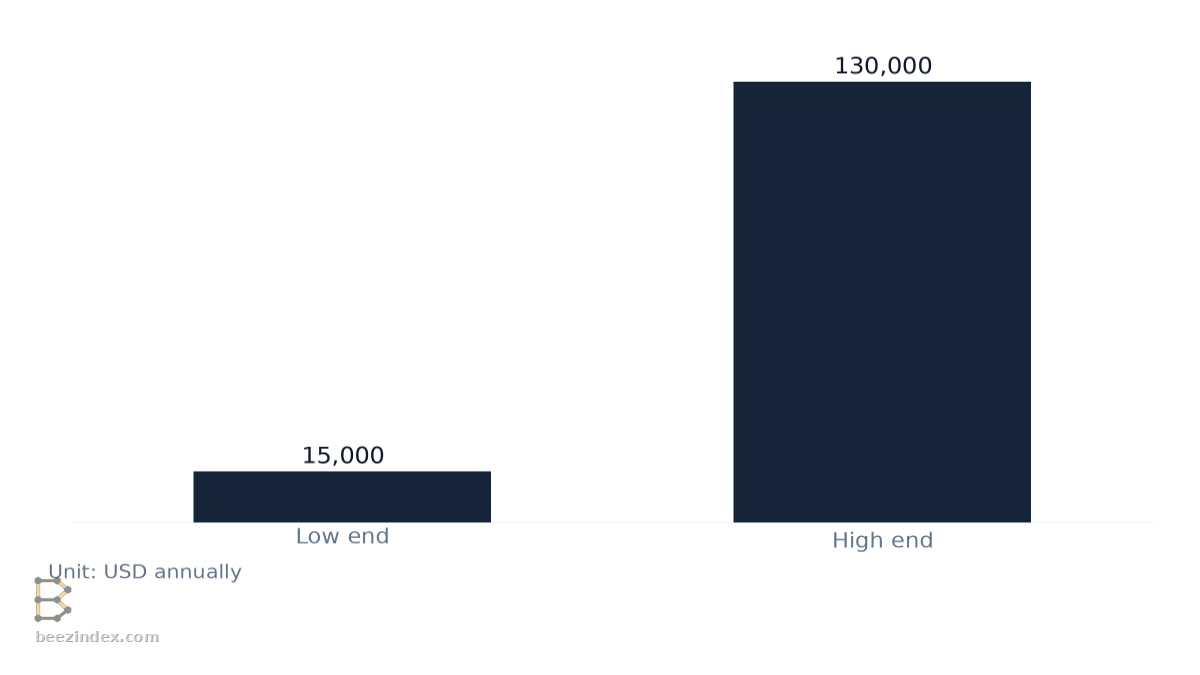
Sales leaders often encounter aggressive vendor pricing when sourcing technographic data from traditional global platforms. Enterprise-level technographic contracts typically range from $15,000 to $130,000+ annually.[2] High upfront spending creates substantial financial risk for mid-market revenue organizations that simply require reliable UK SME coverage.
Modern revenue teams adopt leaner intelligence platforms that offer modular pricing and accessible entry tiers. Platforms like BeezIndex provide high confidence data by maintaining a dedicated business-level intelligence layer linked directly to the UK market. Teams can start with a free search to explore live company records before upgrading to advanced monitoring tools.
Enterprise-Level Technographic Contract Annual Cost Range
A Vendor Evaluation Framework for UK SME Coverage
To ensure long-term success, you should formalize your selection process using a structured vendor evaluation framework.
A structured vendor evaluation framework prevents commercial revenue teams from buying platforms with poor local market density. Operations managers should construct a weighted decision scorecard that assigns 40% to UK SME coverage, 30% to technology detection accuracy, 20% to data freshness, and 10% to total subscription cost. This scoring method stops procurement teams from selecting vendors based solely on international brand recognition.
Testing target platforms requires running duplicate search queries across twenty known regional business accounts from your existing CRM database. Evaluating how many target domains each vendor correctly identifies exposes gaps in their European web crawlers. Choosing a vendor without performing this match audit leads to low CRM adoption and wasted sales development effort.
Testing and Monitoring Technographic Data Before You Commit
Before finalizing any partnership, you should validate the provider's claims through hands-on testing.
Procurement teams must test sample data before signing multi-year agreements with technographic data vendors. Running a 30-day pilot program using a sample match against existing CRM data helps verify true detection accuracy.[3]
A rigorous audit workflow inspects code timestamps and validates live website integrations. Many legacy vendors rely on historical web snapshots that produce false positives. Stale records lower sales conversion metrics and frustrate development reps.
Continuous technology tracking lets growth teams keep research moving across dynamic market sectors. Regularly monitoring website changes helps you understand your market and identify prospect investment cycles early. Systematic verification protects outbound campaign deliverability and ensures ongoing pipeline success.
What to Remember
Targeting British small and medium businesses requires specialized technographic data vendors that prioritize local market depth over vanity domain counts. Over 80% of B2B companies now use technographic data for targeting, but success depends on matching verification methods to your ideal customer profile.[1] Global legacy vendors offer massive global scale, but smaller regional providers deliver superior detection for UK trading firms.
Revenue leaders should run a 30-day pilot across fifty known regional accounts to audit real-world accuracy before signing vendor contracts. Choose flexible platforms that combine verified company-to-website intelligence with frequent crawl refreshes to keep your prospecting data accurate. Establishing these verification standards will protect your sales budget and accelerate outbound revenue performance.
Frequently Asked Questions
How do I verify UK SME coverage before purchasing a vendor subscription?
Select fifty representative UK SME accounts from your target market and ask the vendor to match their technology profiles during a pilot. Compare the returned technographic stack against manual website inspections to verify active script presence. This test exposes whether the vendor maintains genuine regional coverage or relies on shallow global domain samples.
Which technographic vendor fits sales teams with limited software budgets?
Datanyze offers entry-level user access starting at approximately £23 per month for basic browser research. SME-focused intelligence platforms also provide free search tiers and accessible monthly subscriptions under £200. These options help early-stage teams avoid large multi-year enterprise commitments.
How often should a technographic data platform refresh its website records?
A ninety-day verification cycle serves as the standard industry benchmark for data freshness across corporate accounts. High-performing vendors refresh fast-moving SME and ecommerce records every thirty to sixty days to catch software churn. Fast refresh cycles prevent sales reps from targeting businesses that have already uninstalled relevant tools.
What counts as high confidence technographic detection?
High confidence detection requires direct evidence from live script execution, DNS entries, or verified server headers on active web pages. Platforms that rely on job postings or inferred interest provide lower precision for front-end tools. Reliable vendors display clear evidence indicators and crawl dates alongside each detected software application.
Why do global technographic vendors often miss British SMEs?
Many global vendors crawl only the top million global websites and focus heavily on North American digital infrastructure. British SMEs frequently use localized payment gateways, regional hosting services, and bespoke content management systems that international crawlers overlook. This limitation creates blind spots when prospecting outside the enterprise tier.
How does technographic data integration improve outbound sales results?
Technographic targeting reduces sales cycles by 27% and increases conversion rates by aligning outreach with verified software stacks. Sales development reps craft personalized pitches based on active plugins, ecommerce checkouts, or complementary software platforms. This technical relevance drives higher email open rates and booked discovery calls.
Are technographic data providers compliant with UK GDPR regulations?
Technographic data providers remain compliant with UK GDPR regulations because technical website signals do not constitute personal data. However, linking technographic signals to identifiable individual contact records requires strict adherence to PECR rules and lawful processing bases. Teams must ensure their chosen providers maintain signed data processing agreements.
Start with a free search to explore verified company data, then upgrade to access advanced monitoring features and shared intelligence tools.
Explore Live UK SME Tech Stacks